China Custom Industrial TFT LCD Display Manufacturer & Global LCD Supplier
 4.3 inch 800x480 TFT LCD GH7006 Driver Chip RGB Interface Display Now Available!
 English
 简体中文
简体中文
 日本語
日本語 Deutsch
 한국어
한국어 Русский язык
 Español
 Français


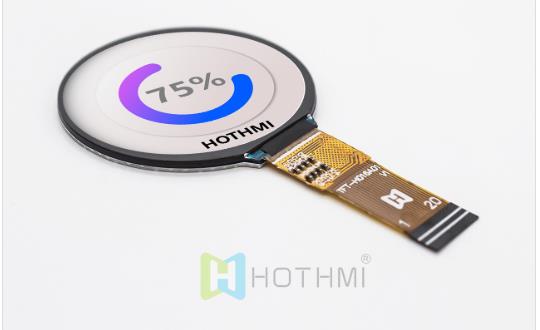
In the evolving landscape of display technology, the round LCD display has emerged as a groundbreaking innovation, breaking away from the rectangular standards that have dominated the industry for decades. Once a niche product, the round LCD display is now a staple in modern industrial design, offering a perfect blend of functionality and aesthetics. Whether you are designing a futuristic smartwatch, a sophisticated automotive dashboard, or a sleek smart home device, understanding the intricacies of the round LCD display is crucial.����
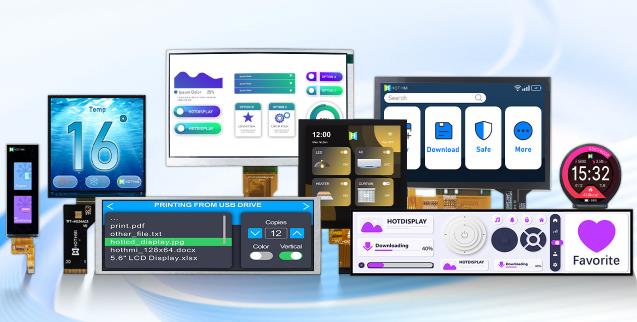
This article provides a comprehensive overview of the principles, evolution, and future of TFT LCD technology. TFT LCDs achieve high-quality image display by precisely controlling each pixel with an independent thin-film transistor, combined with the optical properties of liquid crystals and a multi-layered structure, making them the mainstream display technology in consumer electronics for over two decades.
In modern electronic devices, electromagnetic interference (EMI) is a common and thorny problem, especially in the design and application of display screens. EMI not only affects the normal operation
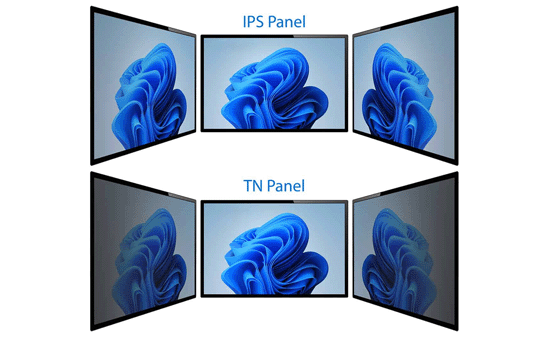
TN and IPS displays are both common display types. Each of these displays has its own advantages and disadvantages. This chapter will compare various aspects of these two displays so that customers ca

Static electricity is widely present in the natural space, and the existence of static electricity can cause great interference to the normal operation of electronic products. This article will introd
Low temperatures can seriously affect the fluidity and response speed of liquid crystal molecules. Therefore, in extremely low temperature environments, such as the Arctic, high mountain observatories
When we use a liquid crystal display, if we find that when the screen switches, the previous screen does not disappear immediately, but disappears slowly, we call this phenomenon the "afterimage&
When we talk about LCD screens, we often mention the word "polarizer". So what exactly is a polarizer? What is its function and what types are there? Here is a brief introduction for you.
Nit is a unit used to express brightness. Brightness is one of the important parameters of display screens. Different application environments require the selection of display screens with different b

China Custom Industrial TFT LCD Display Manufacturer & Global LCD Supplier
Address:Building N3, Tian'an Digital Industry Park, Fenggang Town, Dongguan City, Guangdong Province, China