8-inch 800x600 TFT LCD Display With RGB Interface IPS Panel Now Available!
 English
 简体中文
简体中文
 日本語
日本語 Deutsch
 한국어
한국어 Русский язык
 Español
 Français





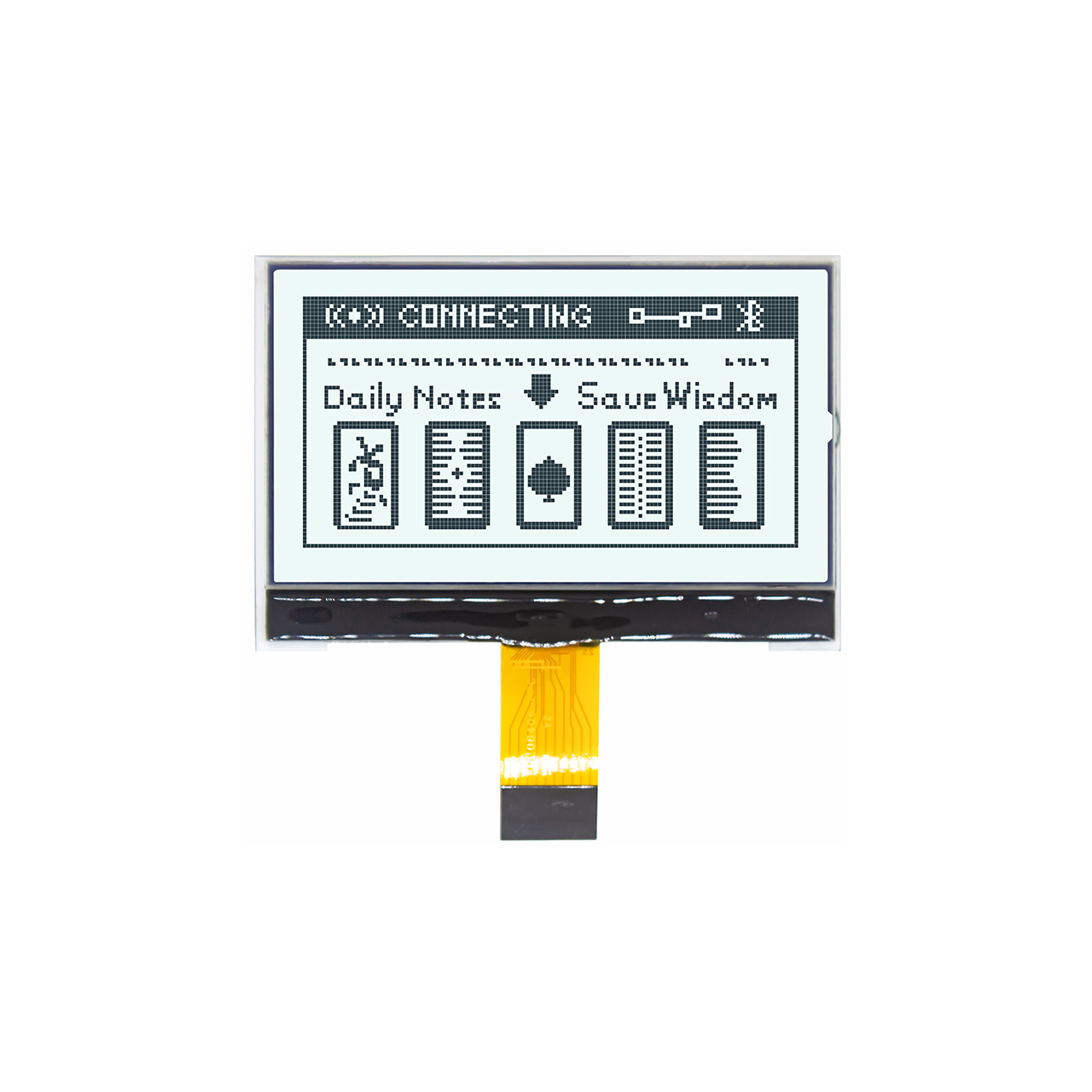
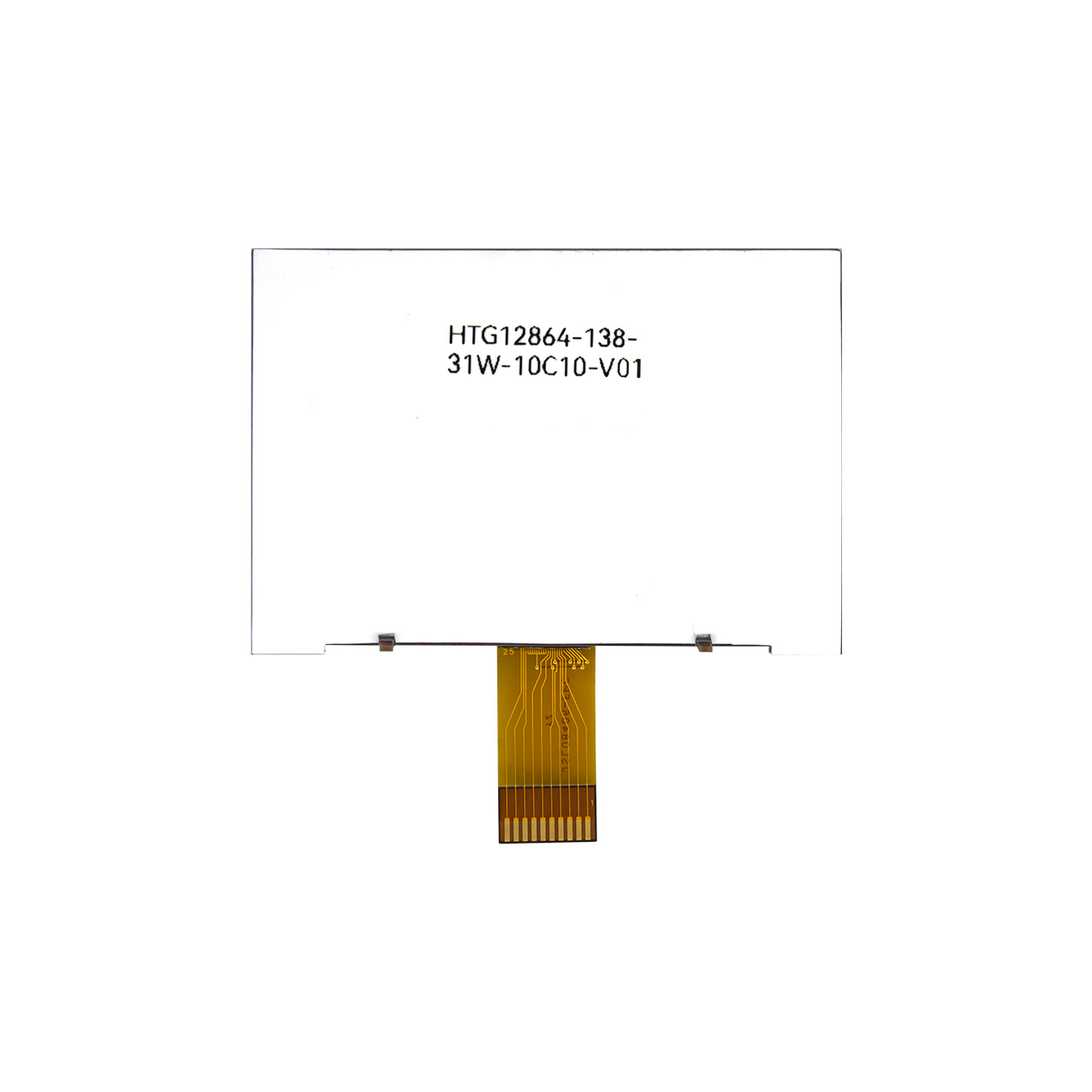
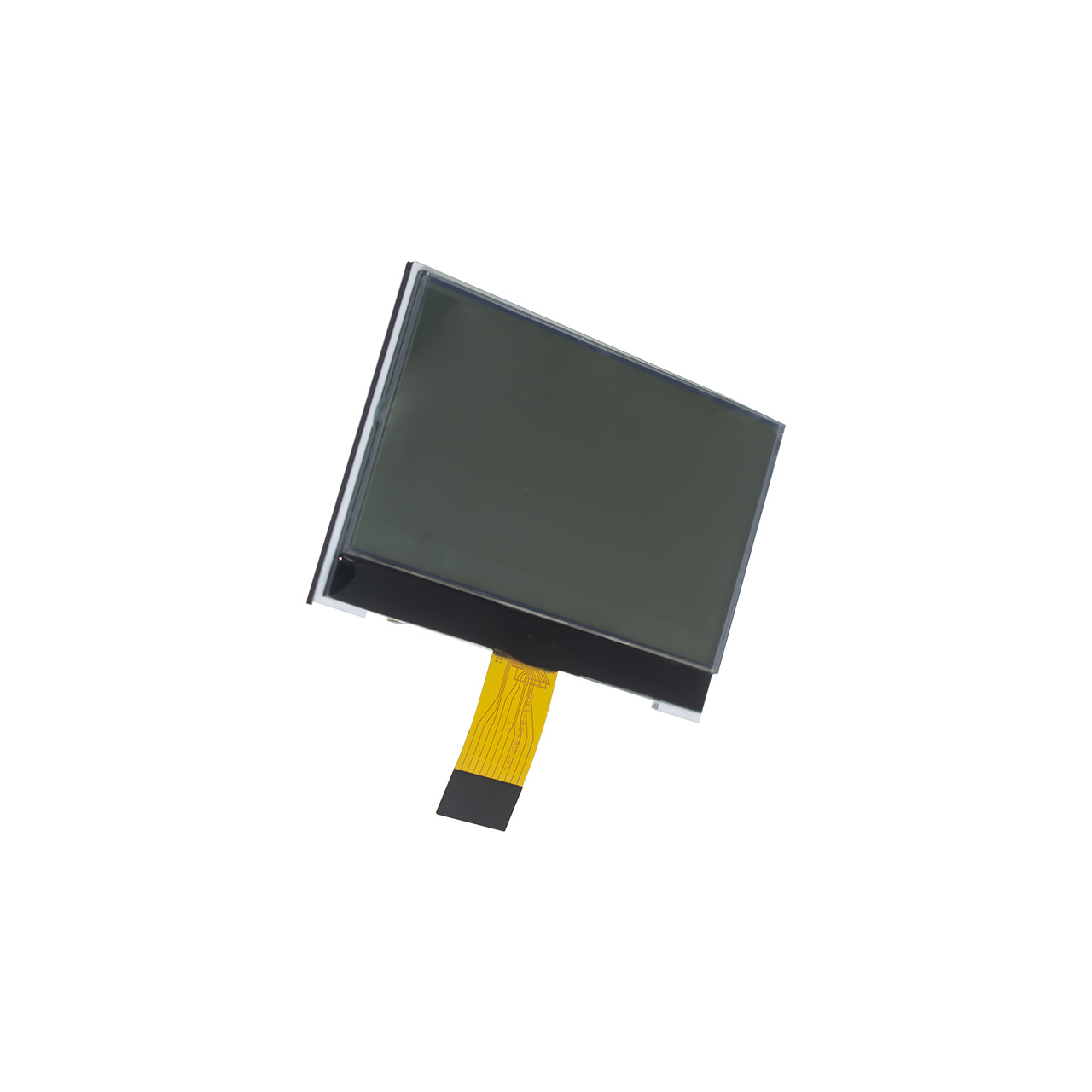
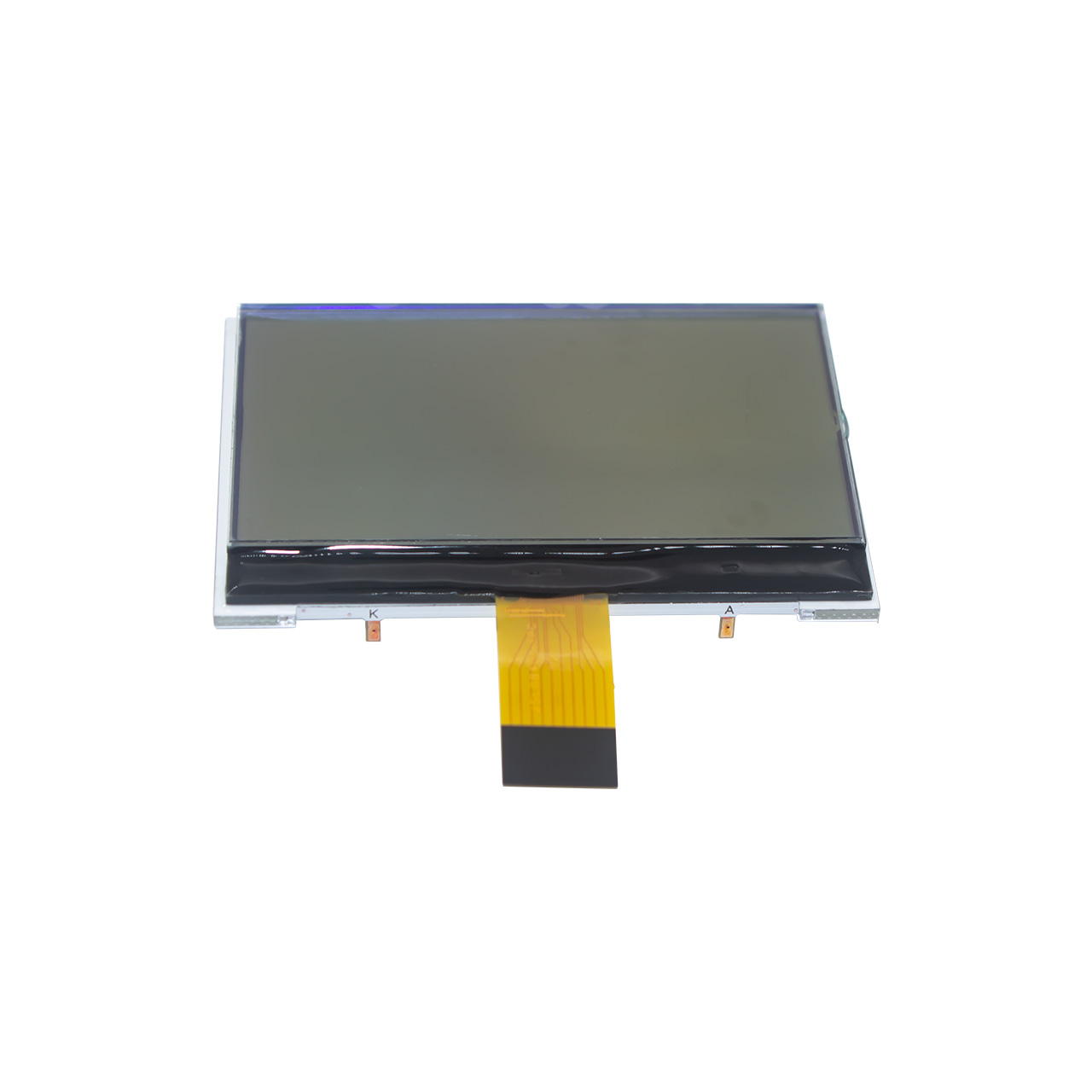
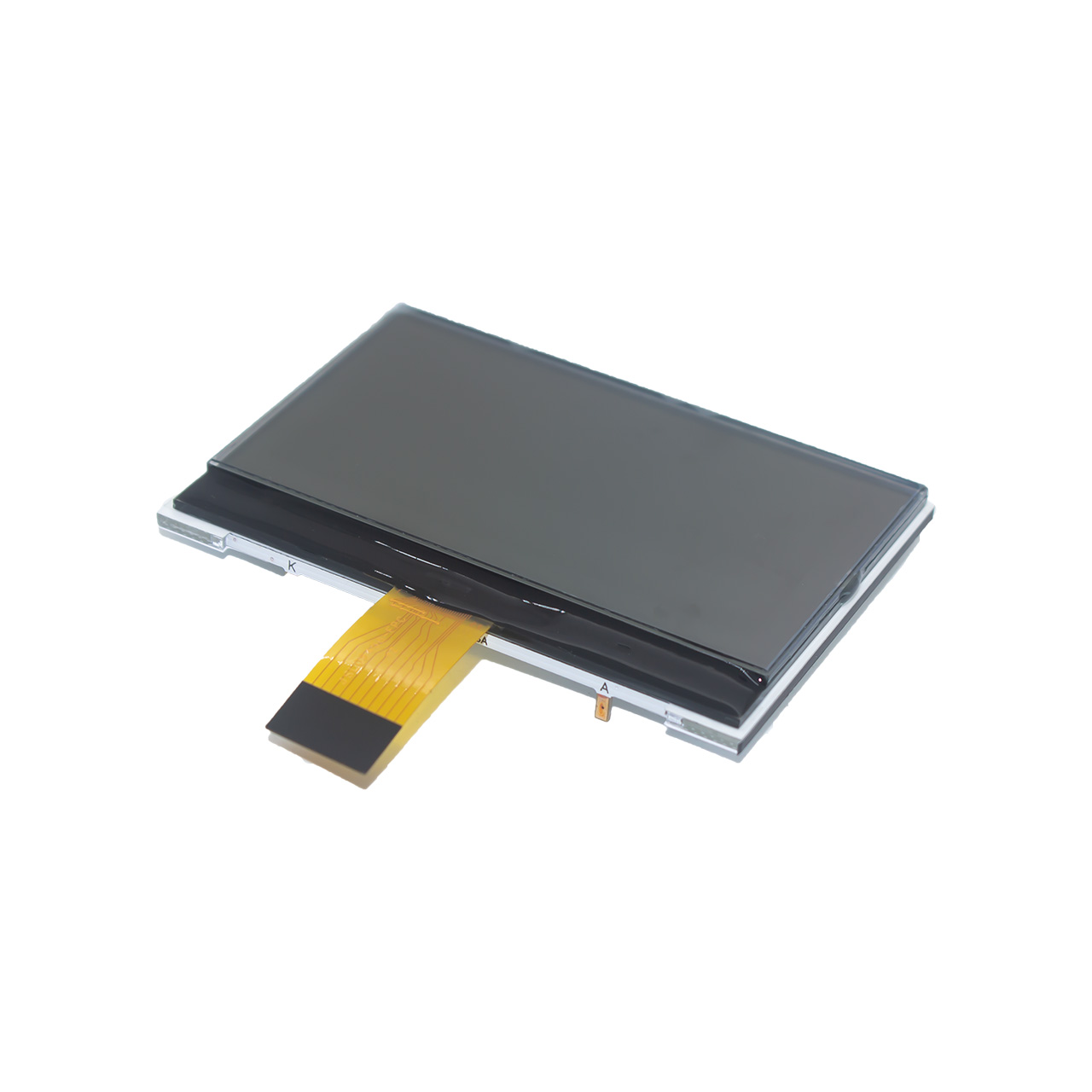
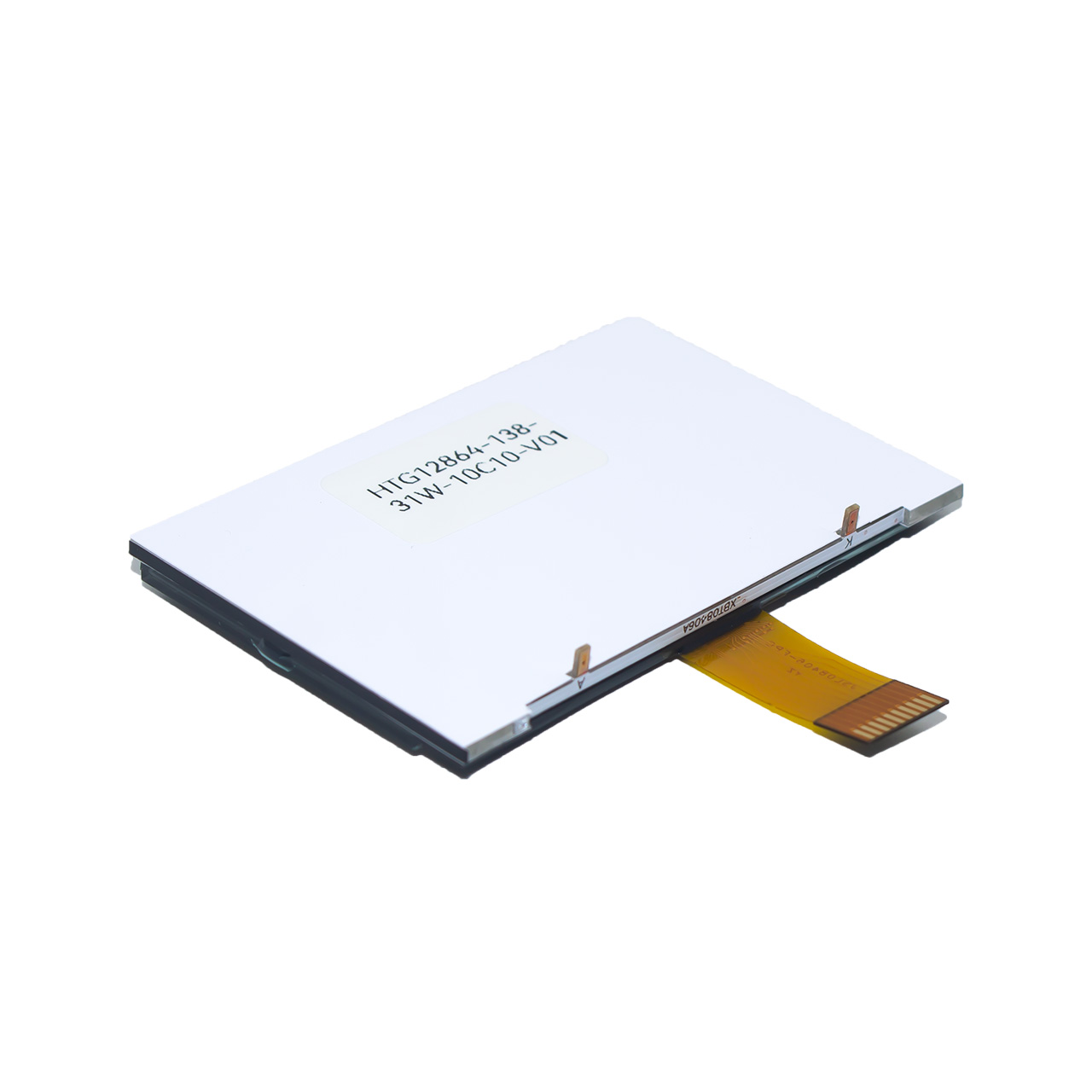





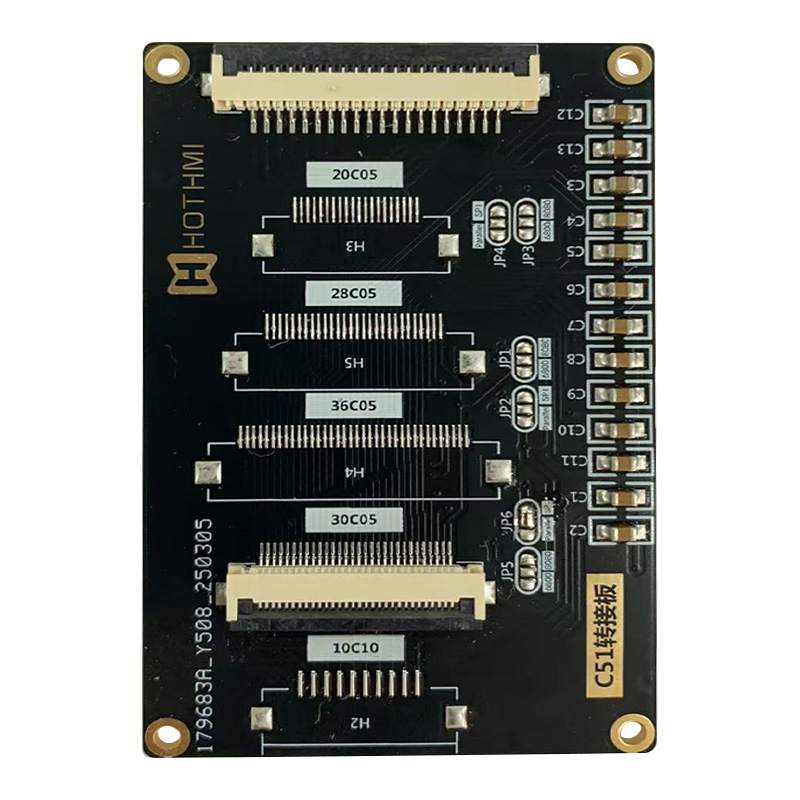
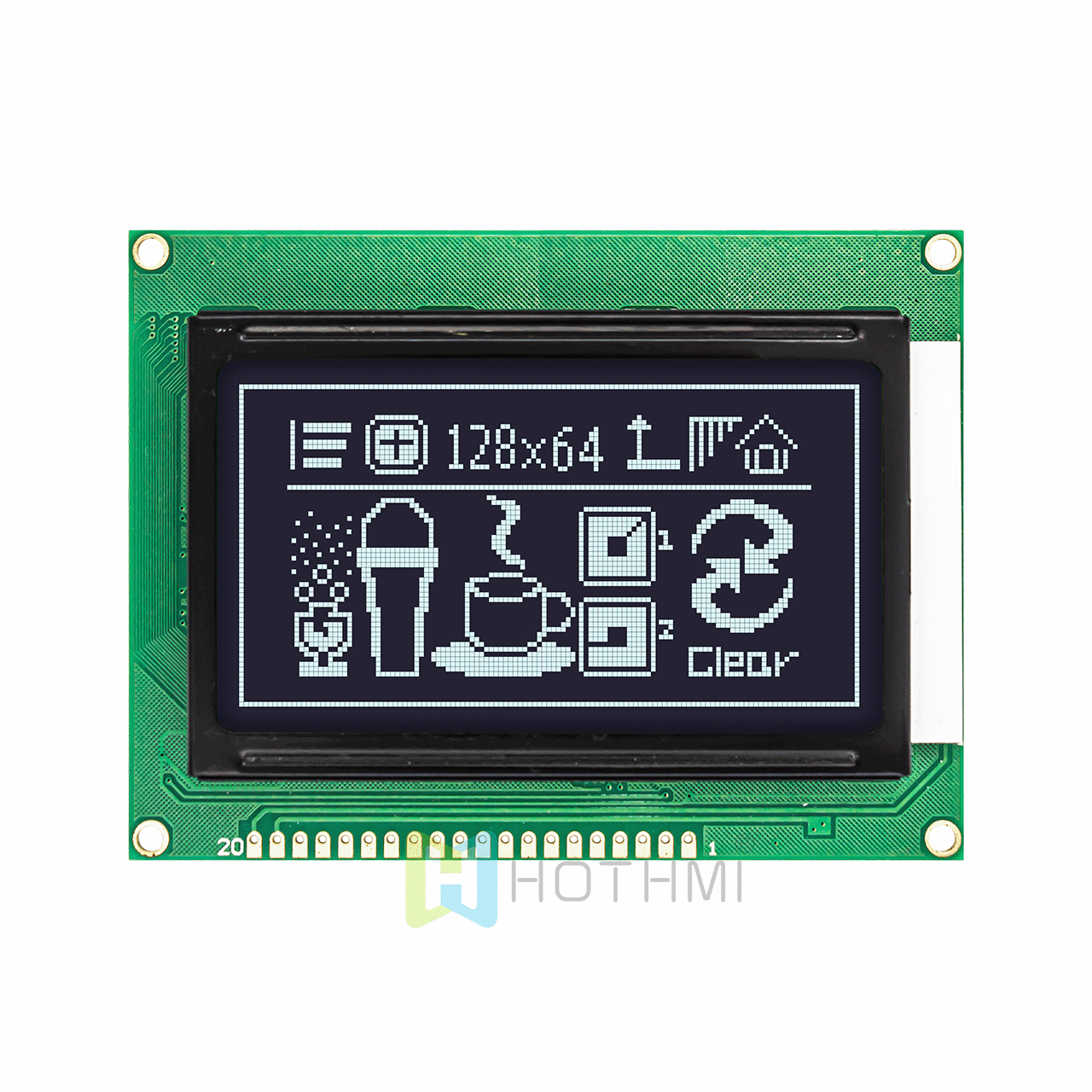
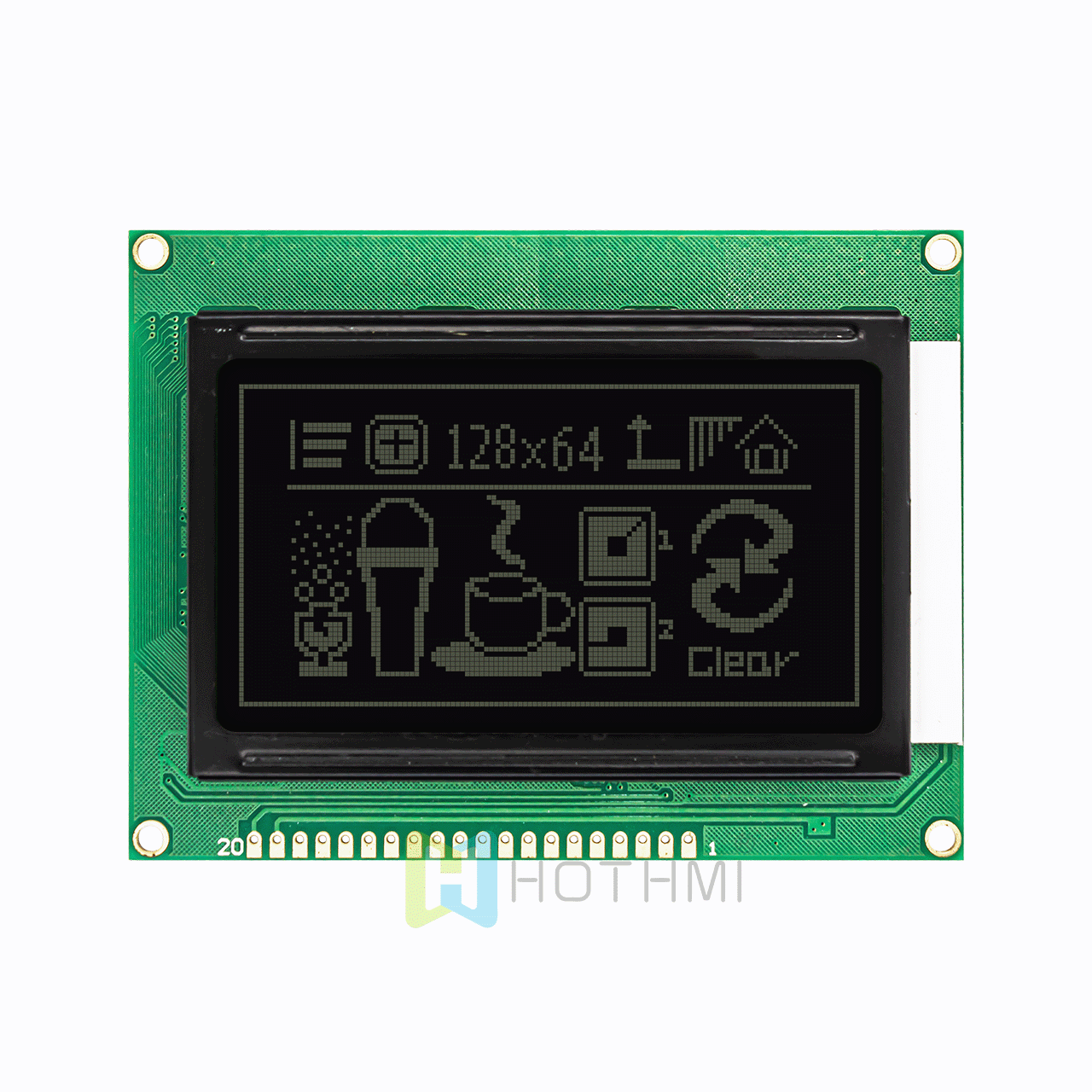
HTG12864-138-31W | 128x64 COG LCD Display FSTN-Positive With Backlight
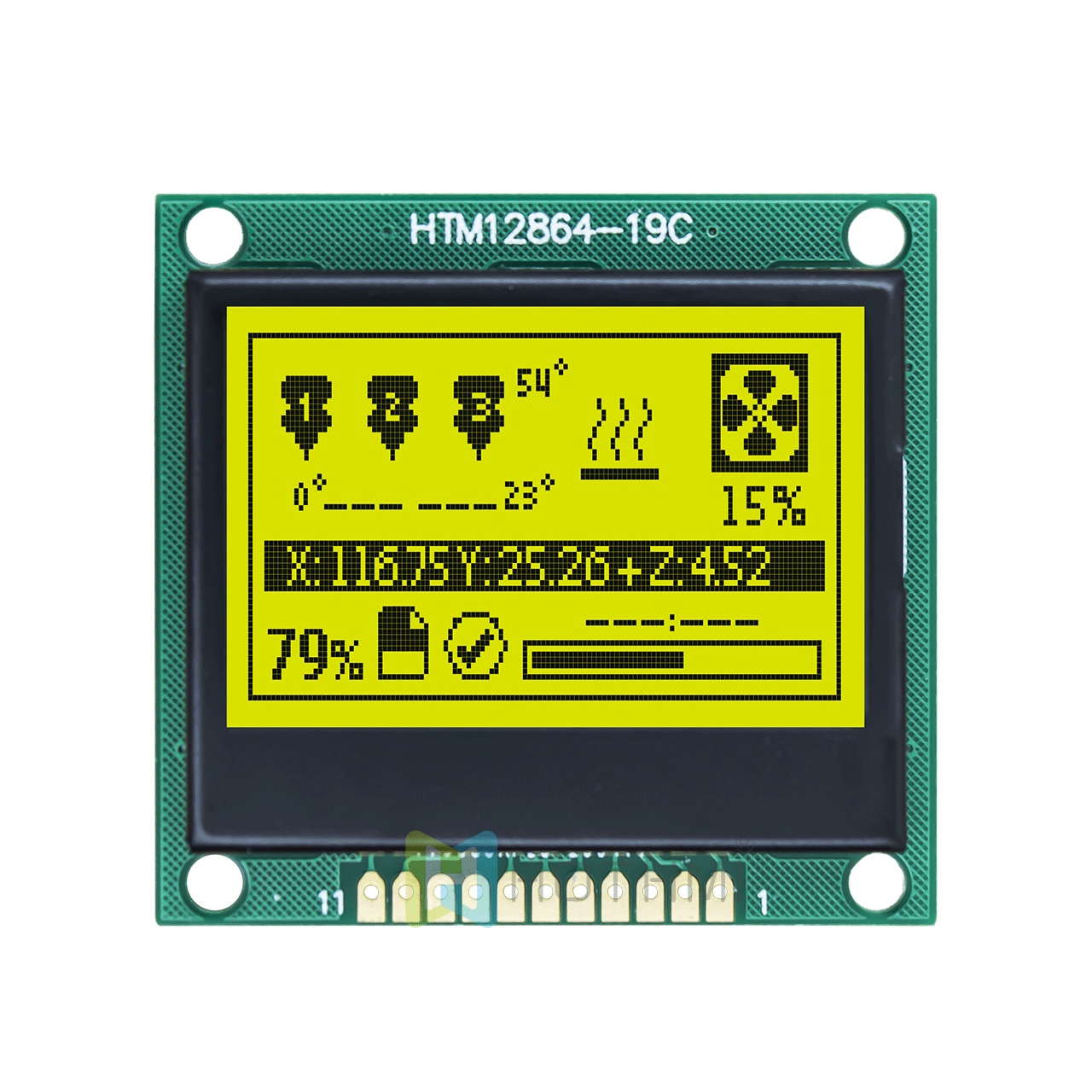
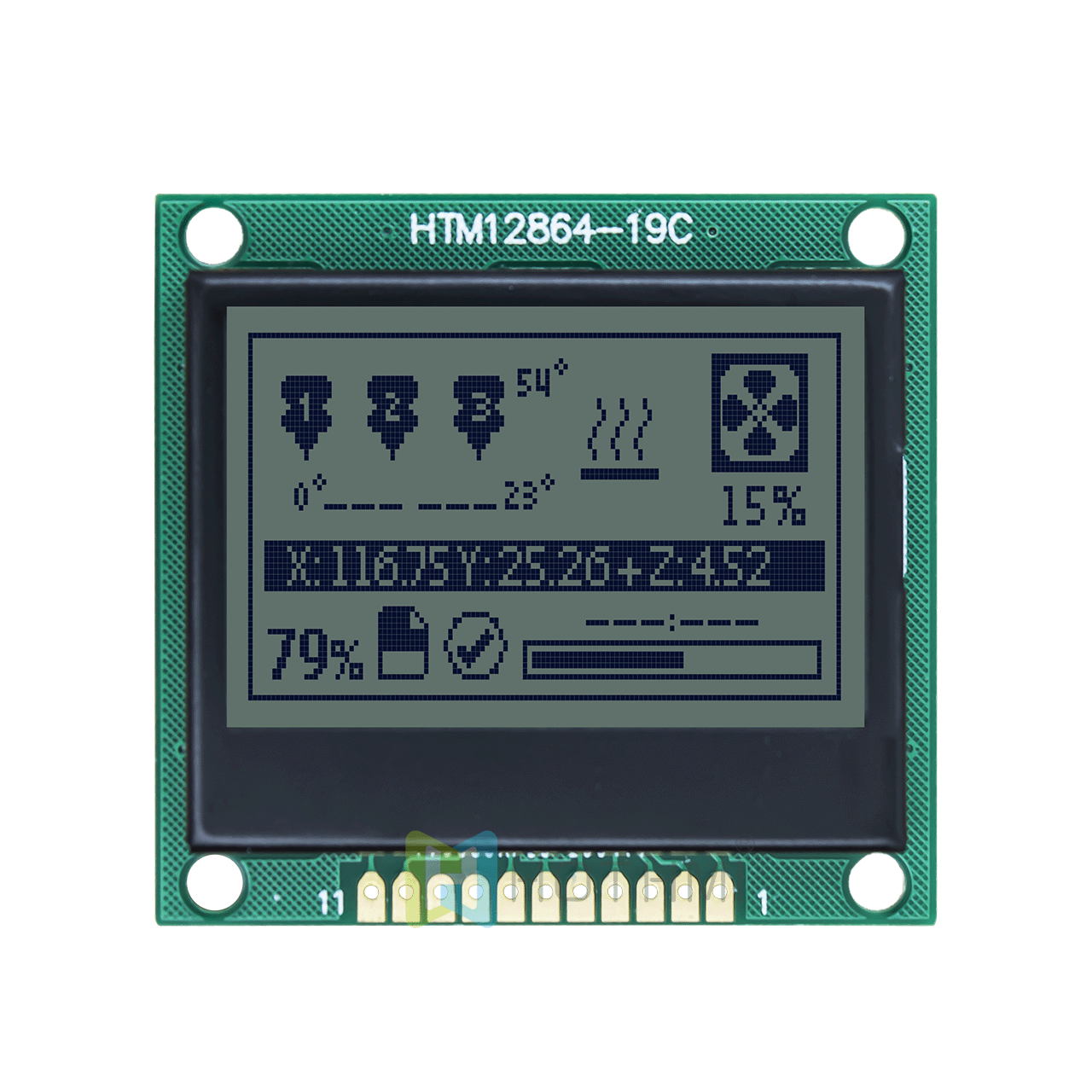
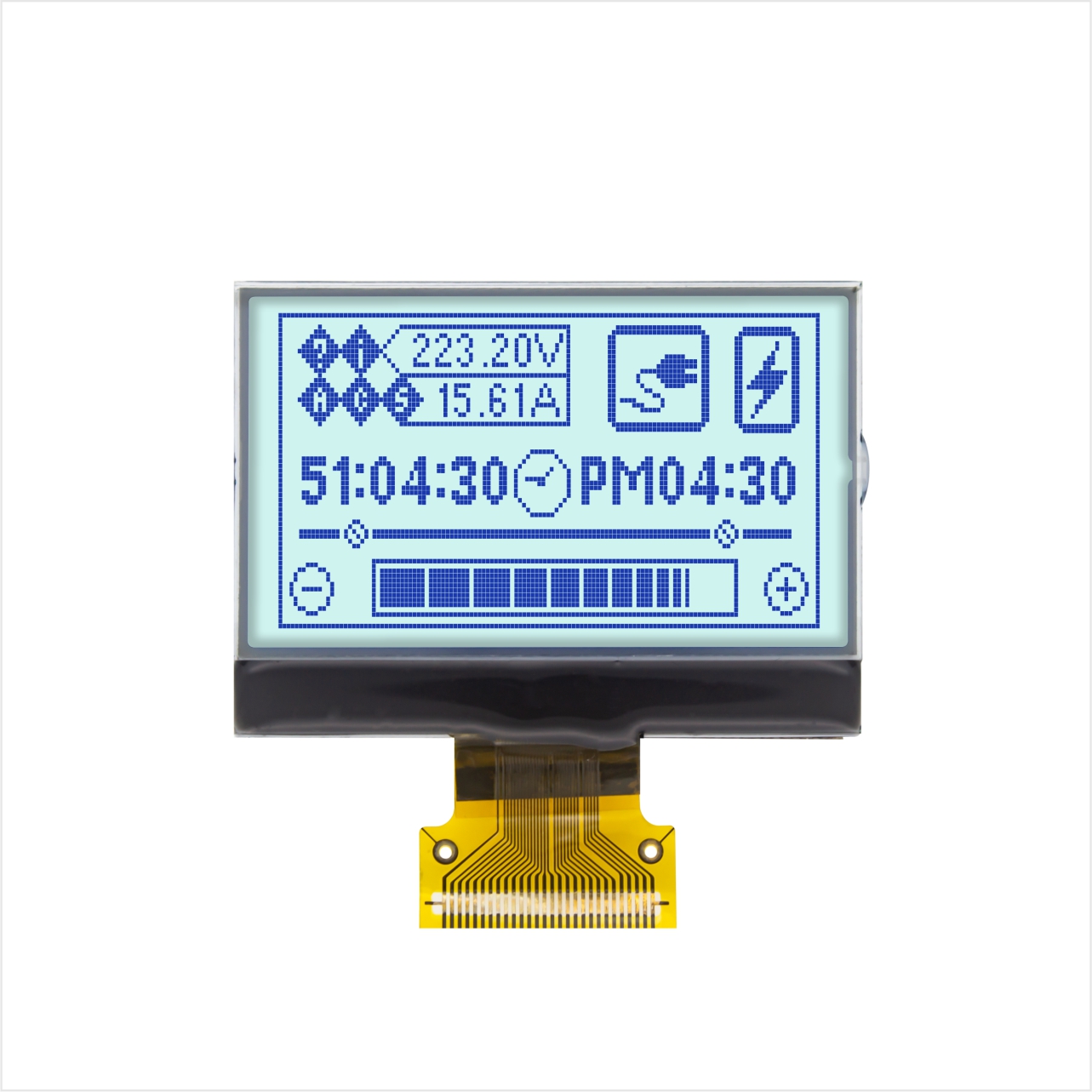
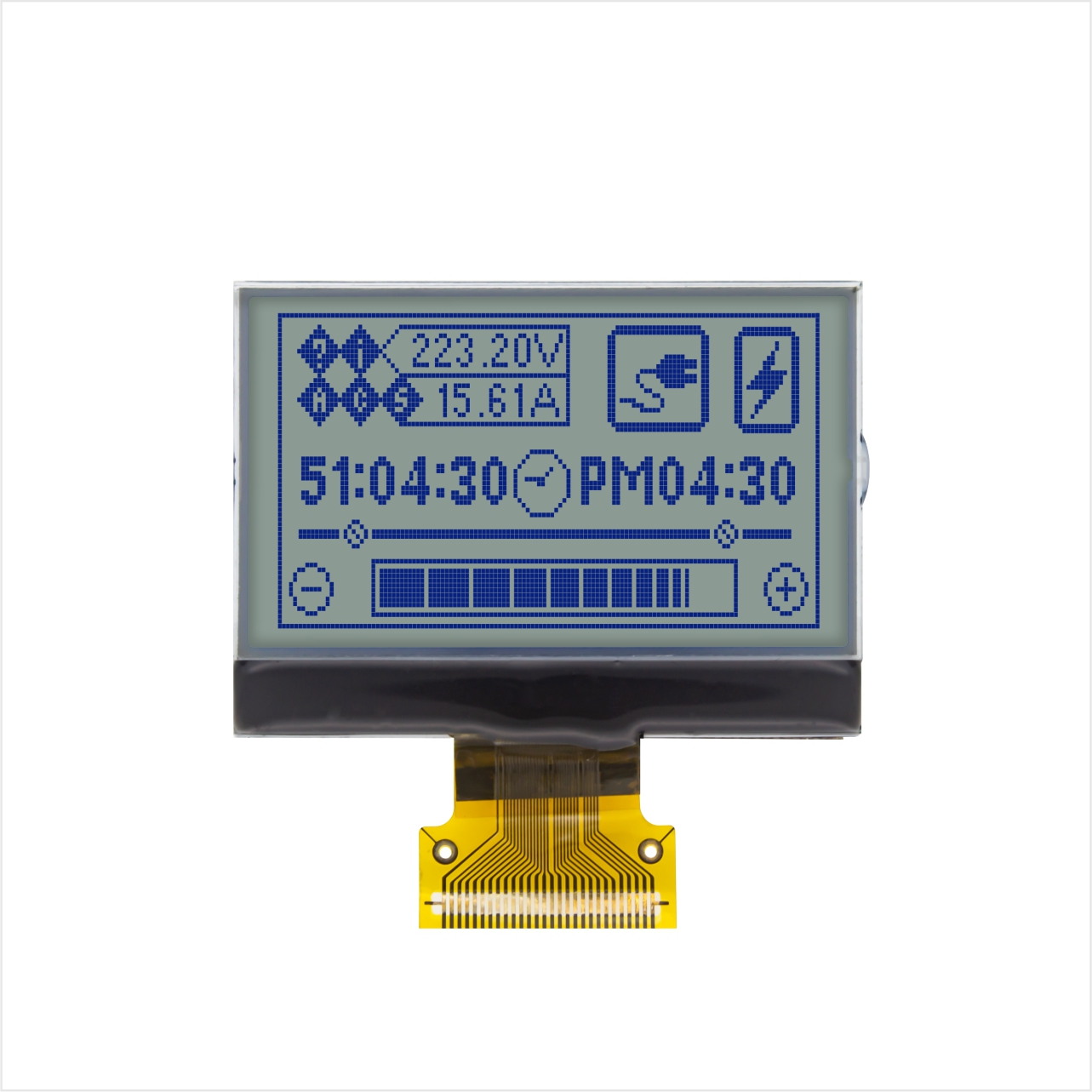
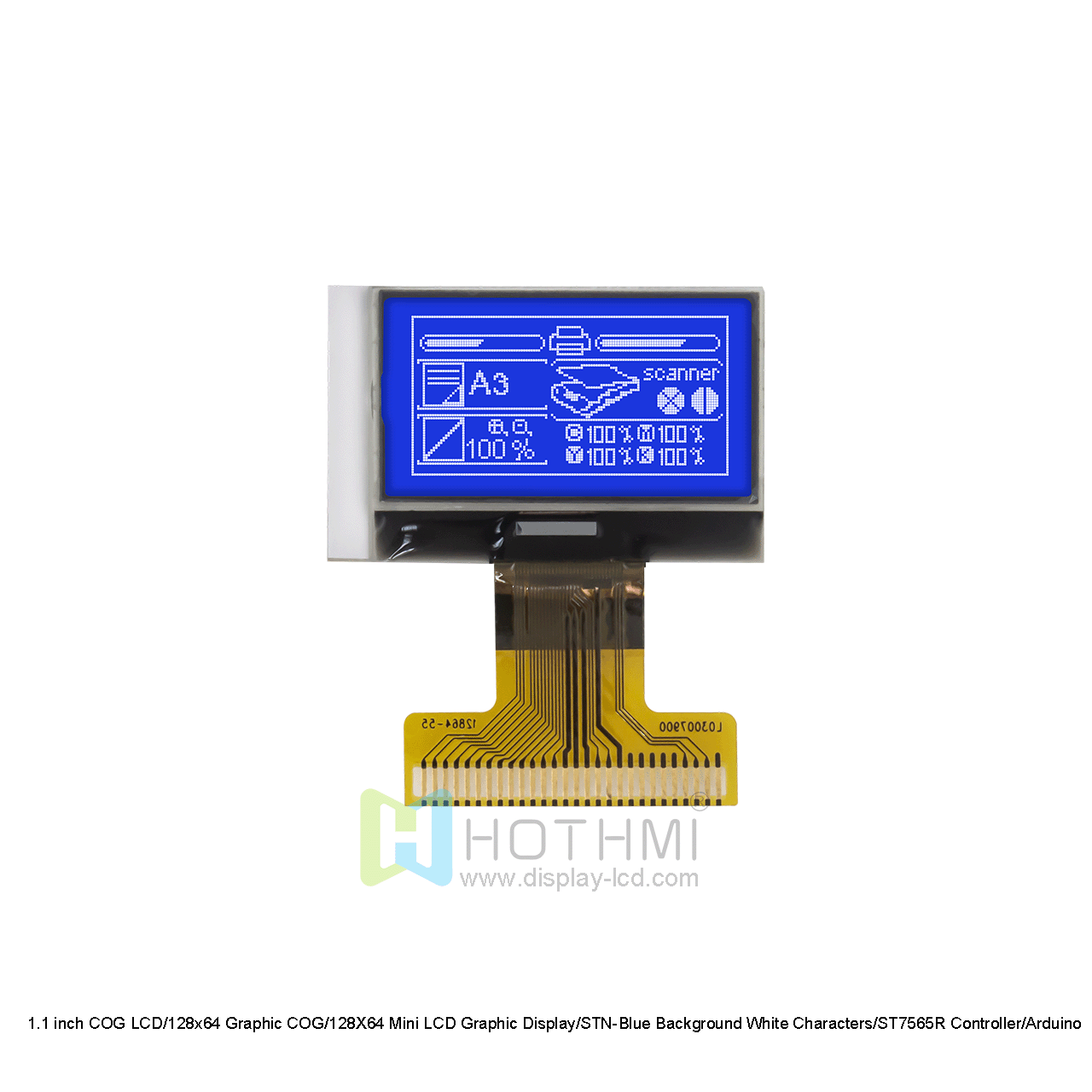
In the world of compact instrumentation and portable devices, clarity, reliability, and efficiency are paramount. Enter the 128x64 COG LCD Display, your ultimate solution for high-performance graphical information presentation. Engineered with Chip-on-Glass (COG) technology, this display integrates the driver directly onto the glass, achieving an exceptionally slim and lightweight profile. This makes the 128x64 COG LCD Display perfect for applications where space is at a premium, without compromising on a robust and durable build.
Power efficiency is at the core of its design. The 128x64 COG LCD Display operates with remarkably low power consumption, ensuring extended battery life for your portable instruments and handheld tools. Its superior stability is unwavering, thanks to advanced construction that ensures consistent performance and sharp contrast under various lighting conditions. Whether facing static interference or fluctuating temperatures, the 128x64 COG LCD Display maintains impeccable reliability, offering a wide operating range to thrive in diverse and demanding environments.
Furthermore, the 128x64 COG LCD Display boasts exceptional adaptability. Its standard microcontroller interface allows for seamless integration into a vast array of systems, simplifying your design process. From industrial controls to consumer gadgets, the 128x64 COG LCD Display delivers crisp, well-defined graphics and text, providing an outstanding user experience. Choose the 128x64 COG LCD Display—where sleek design, enduring stability, and versatile performance converge to illuminate your innovations.
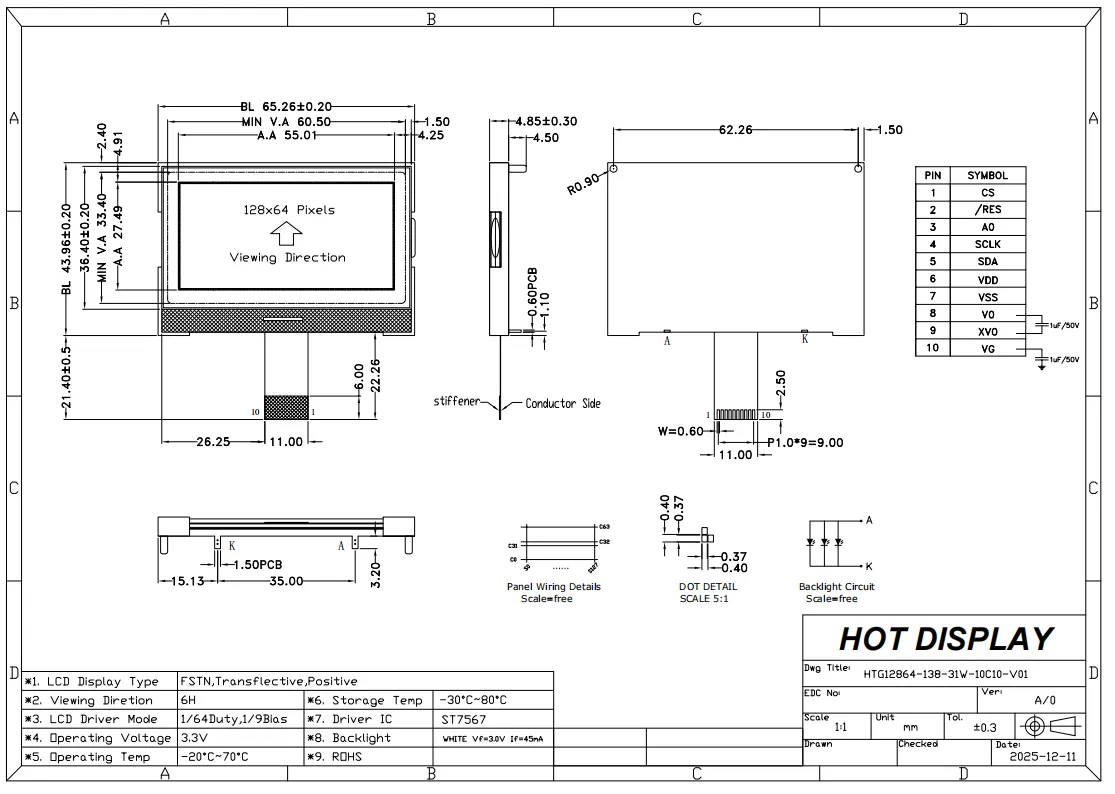
Specification of 128x64 COG LCD Display
What are the advantages of the 128x64 COG LCD display?
Extremely thin and lightweight, freeing up design space
The 128x64 COG LCD display utilizes advanced Chip-on-Glass integrated packaging technology, directly bonding the driver chip to the glass substrate, resulting in an exceptionally thin and compact physical structure. This means that using the 128x64 COG LCD display can save valuable internal space in your product, making it an ideal core component for creating stylish, lightweight portable instruments and embedded devices.
Ultra-low power consumption, enabling long battery life
Energy efficiency is one of the core advantages of the 128x64 COG LCD display. Its meticulous circuit design and highly integrated solution ensure that the 128x64 COG LCD display consumes only minimal power during operation. Therefore, integrating the 128x64 COG LCD display can significantly extend the single-use time of battery-powered devices, making it a key choice for products that prioritize green energy saving and excellent user experience.
Robust and stable, fearless of harsh environments
The 128x64 COG LCD display is inherently reliable, possessing a wide industrial-grade operating temperature range and strong anti-interference capabilities. This allows the 128x64 COG LCD display to maintain stable display and consistently clear images in challenging environments such as vibration, temperature changes, and static electricity. Choosing the 128x64 COG LCD display injects lasting reliability into your product.
Universal interface, accelerating development and integration
The 128x64 COG LCD display provides a standard and user-friendly microcontroller interface, greatly simplifying connection to the main control system. Developers can quickly and easily integrate the 128x64 COG LCD display into various projects, effectively shortening the development cycle and helping products reach the market faster. At the same time, its clear dot-matrix display ensures that the 128x64 COG LCD display can perfectly present complex graphics and character information.
What type of interface does a typical 128x64 COG LCD display use?
A typical 128x64 COG (Chip-on-Glass) LCD display commonly uses a parallel 8-bit or 4-bit MCU (Microcontroller Unit) interface, often referred to as an 8080-series or 6800-series parallel interface. This interface is widely supported by standard microcontrollers and allows direct, high-speed communication for controlling pixels.
Additionally, many modern variants may also support Serial Peripheral Interface (SPI) or I²C to save GPIO pins on the microcontroller. Among these, SPI is particularly popular for its balance of speed and pin efficiency.
Key characteristics of the interface include:
Low Pin Count: COG technology minimizes external connections, often requiring only 10–20 pins for power, control, and data.
Flexibility: It can be configured to match the host MCU’s capabilities (e.g., 4-bit mode for pin-saving, 8-bit for faster updates).
Embedded Controller: The display integrates a driver IC (e.g., ST7567, ST7565, or similar) that handles pixel addressing, reducing the MCU’s computational load.