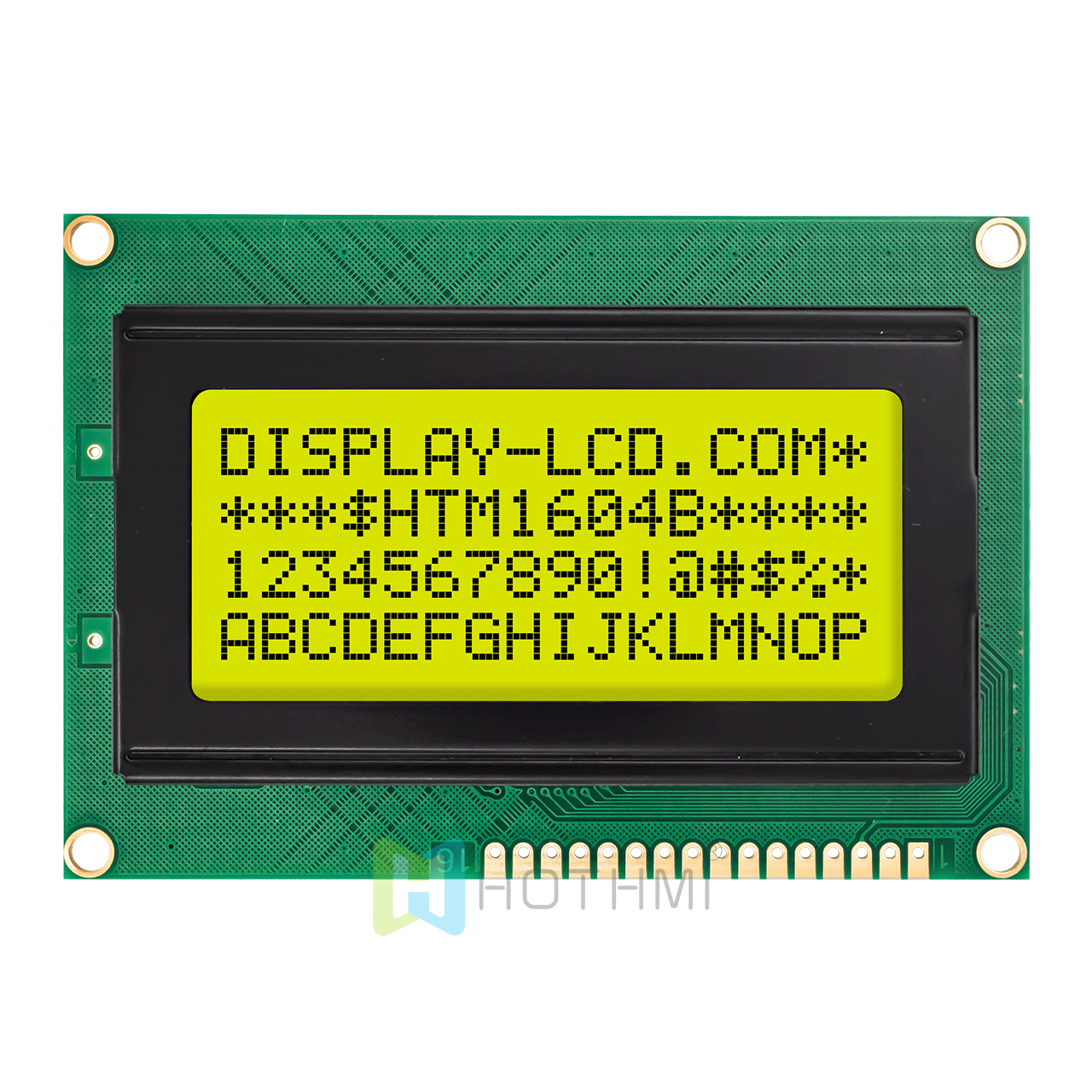
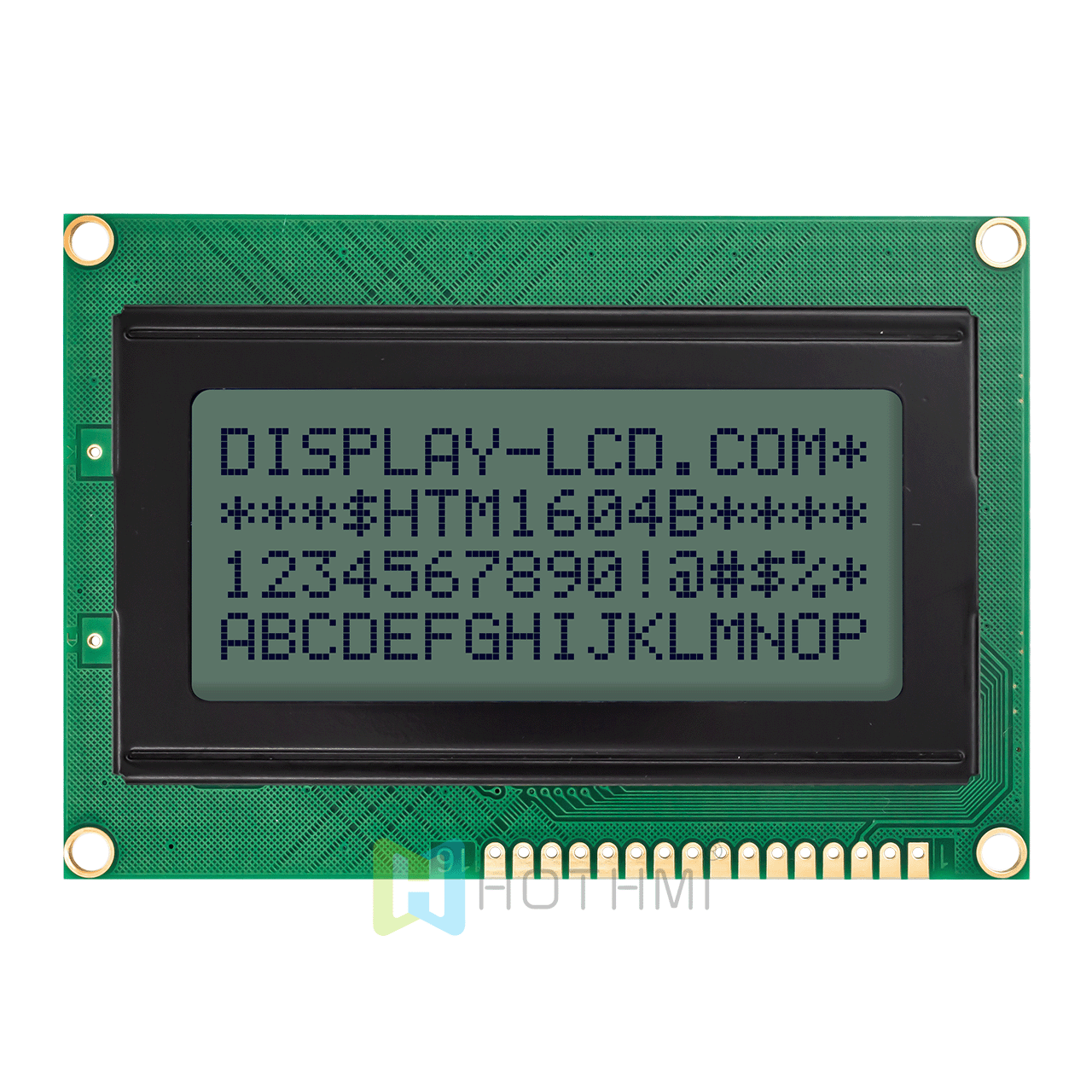
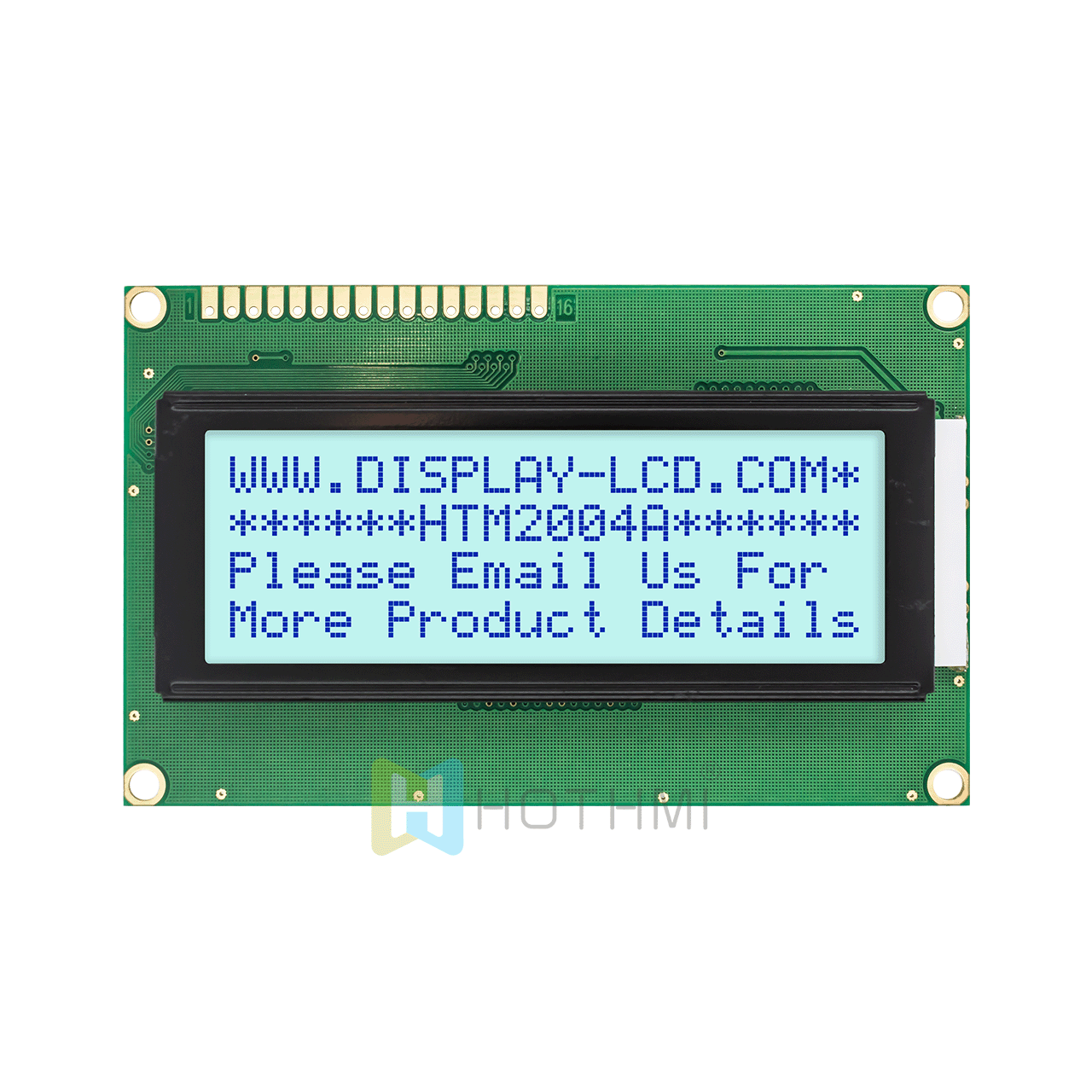
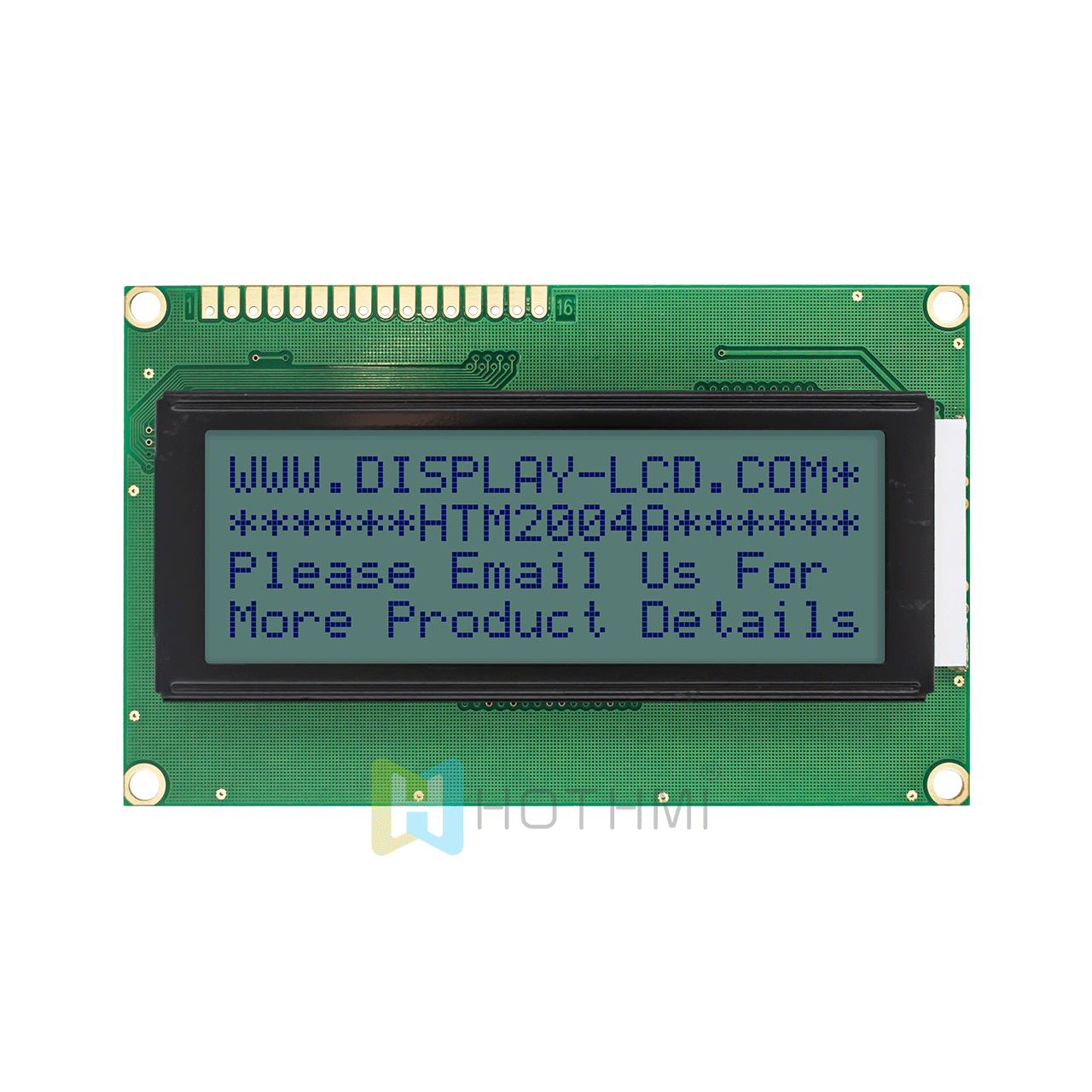
16x2 I2C Character Dot-Matrix LCD Module STN-Transmissive LCD with ST7066U Controller Now Available!
 English
 简体中文
简体中文
 日本語
日本語 Deutsch
 한국어
한국어 Русский язык
 Español
 Français





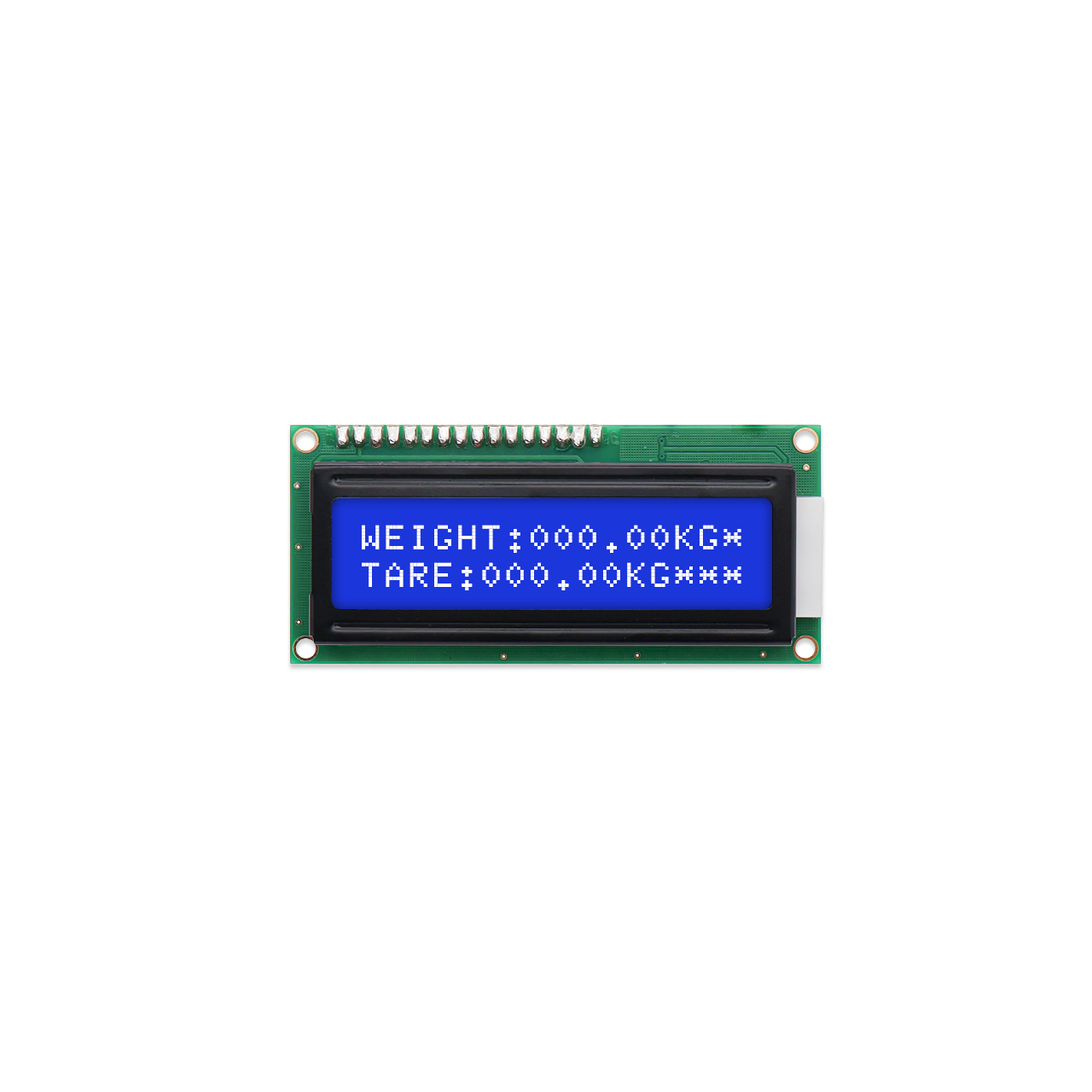
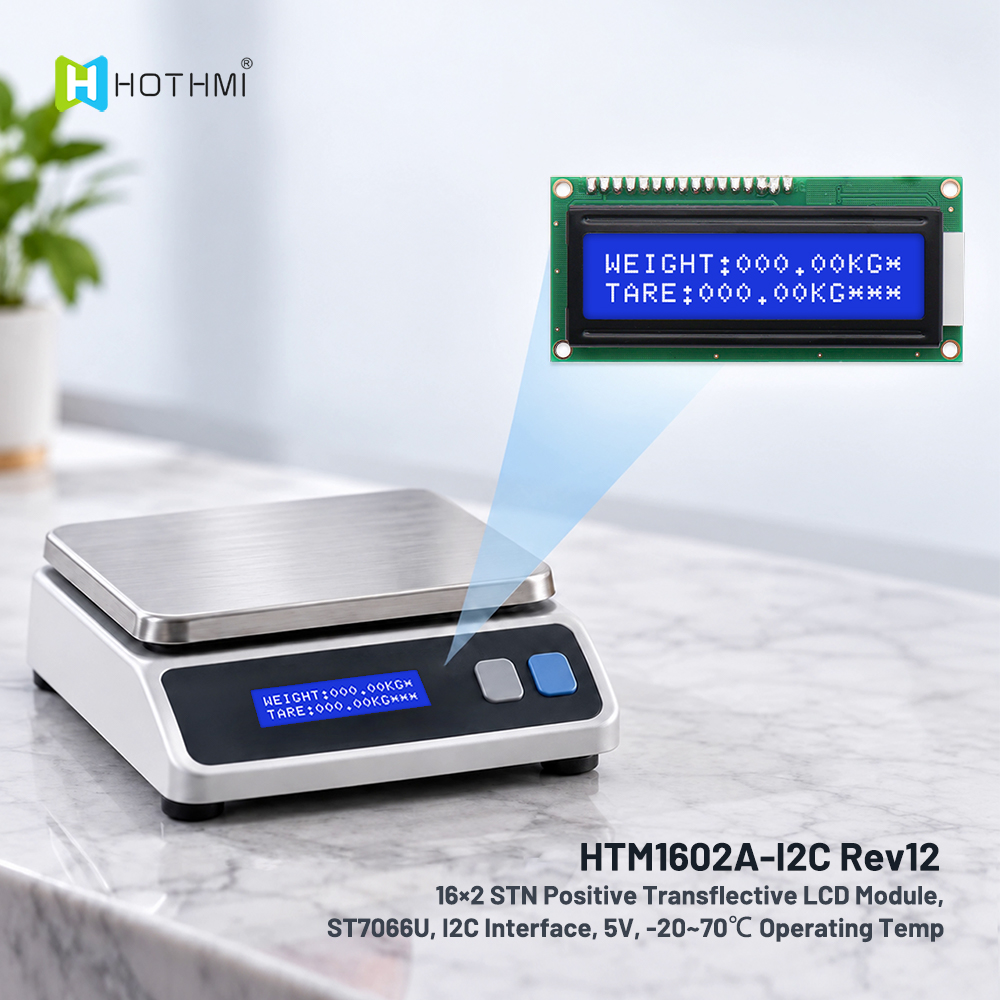
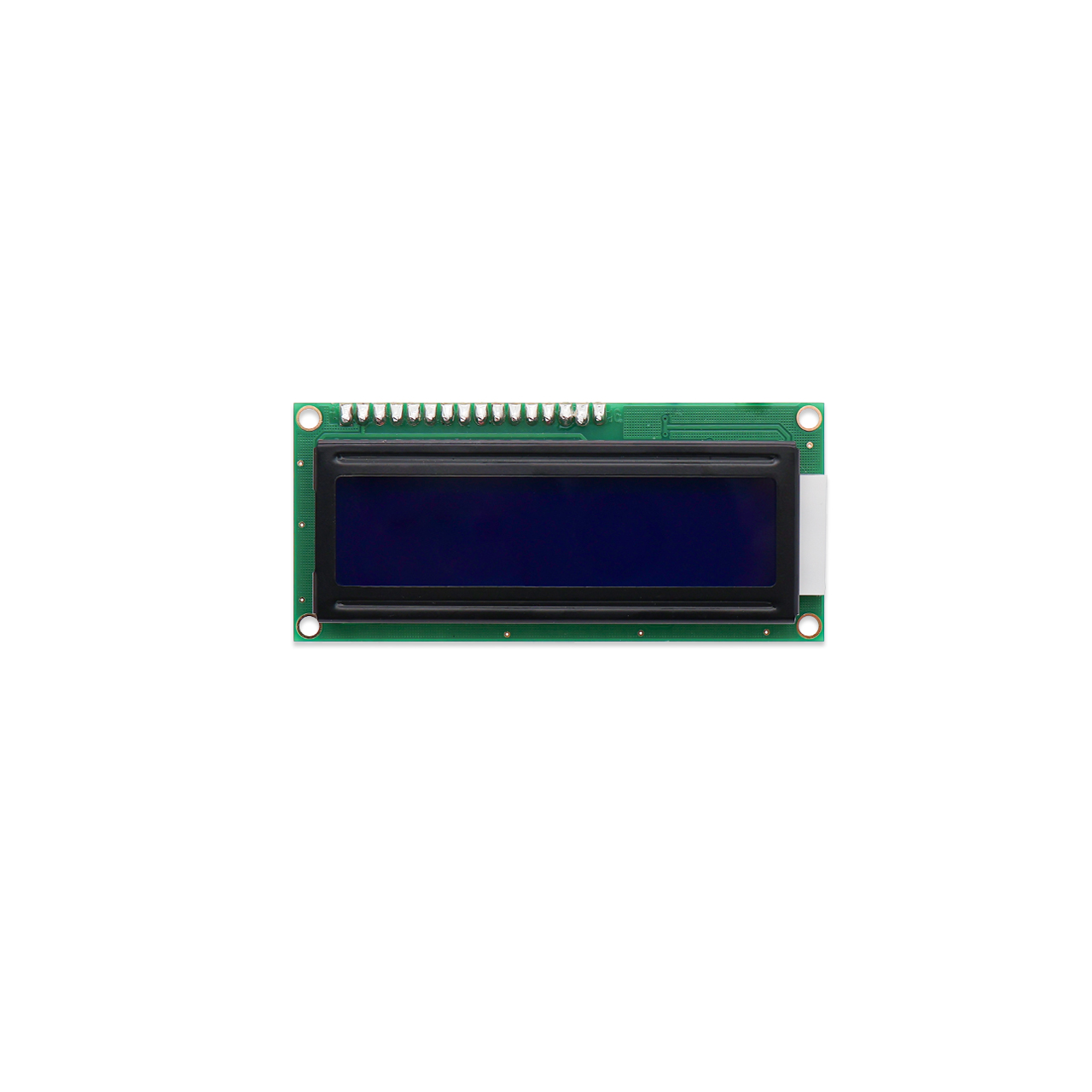
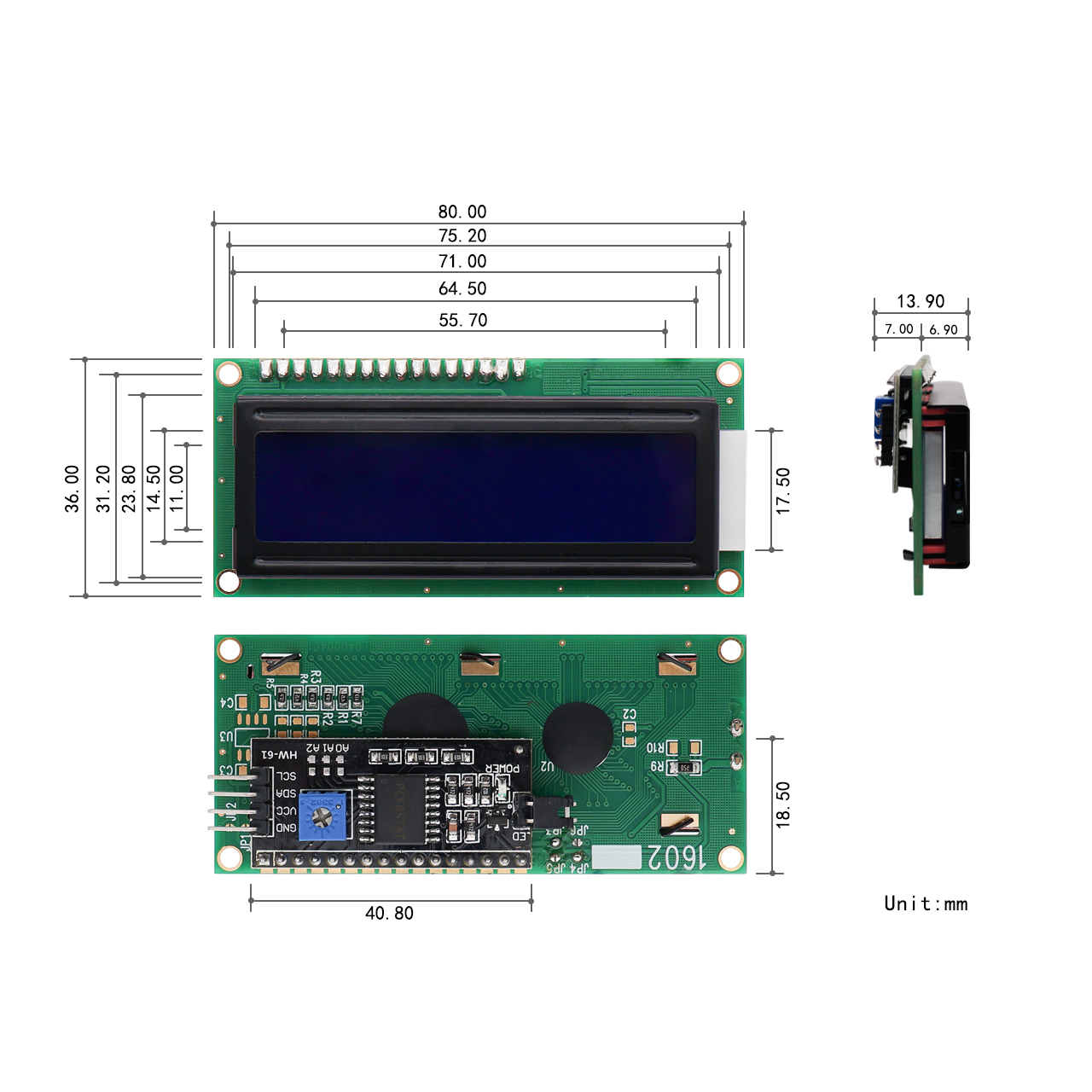
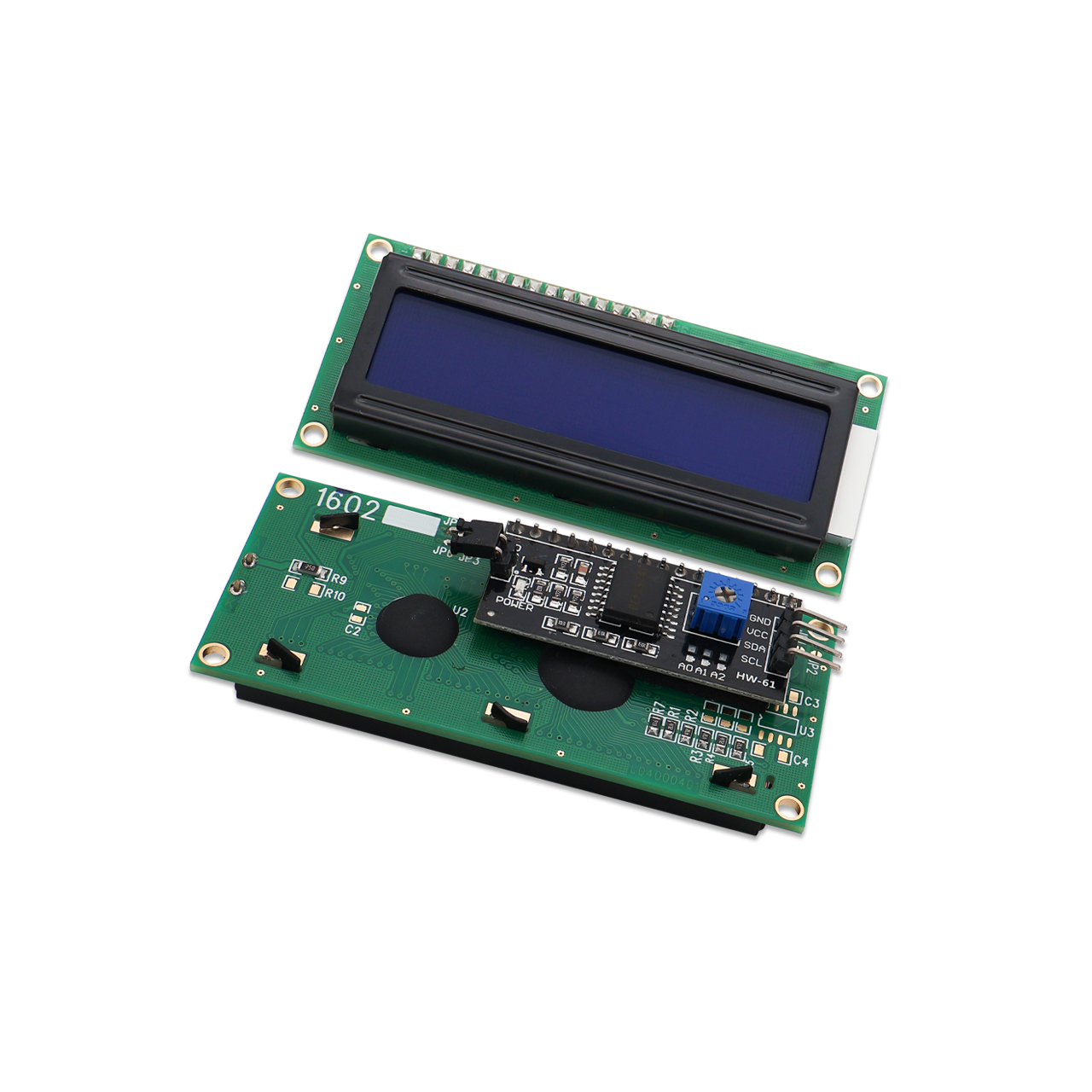
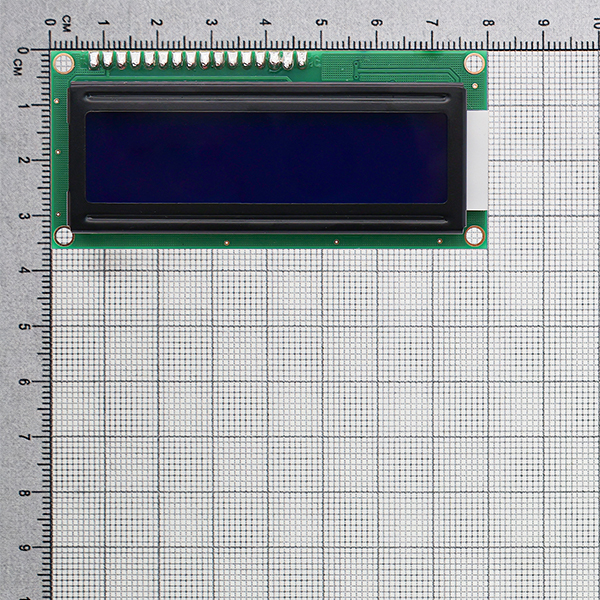
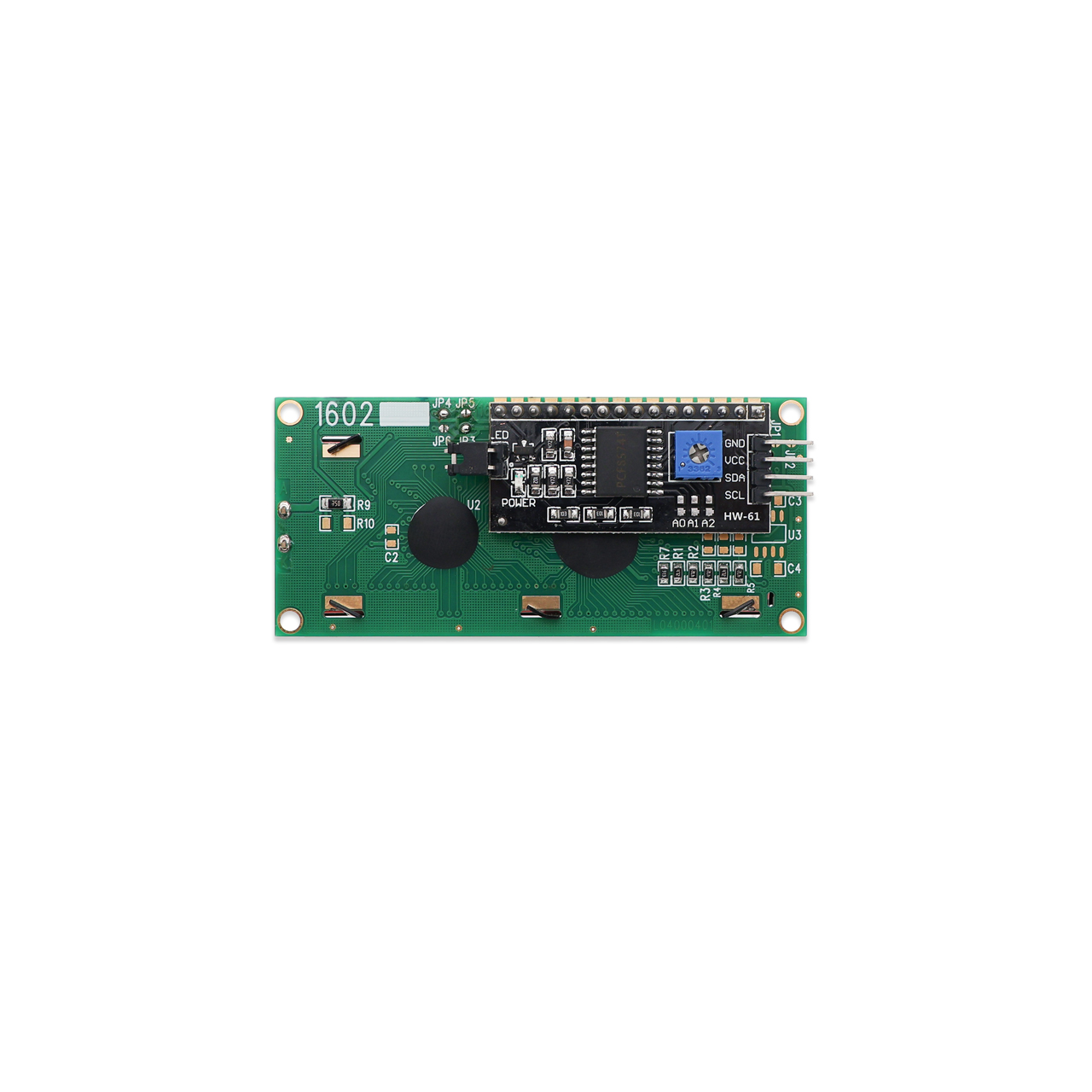


HTM1602A-I2C Rev12 | 16x2 I2C Character Dot-Matrix LCD Module STN-Transmissive LCD with ST7066U Controller
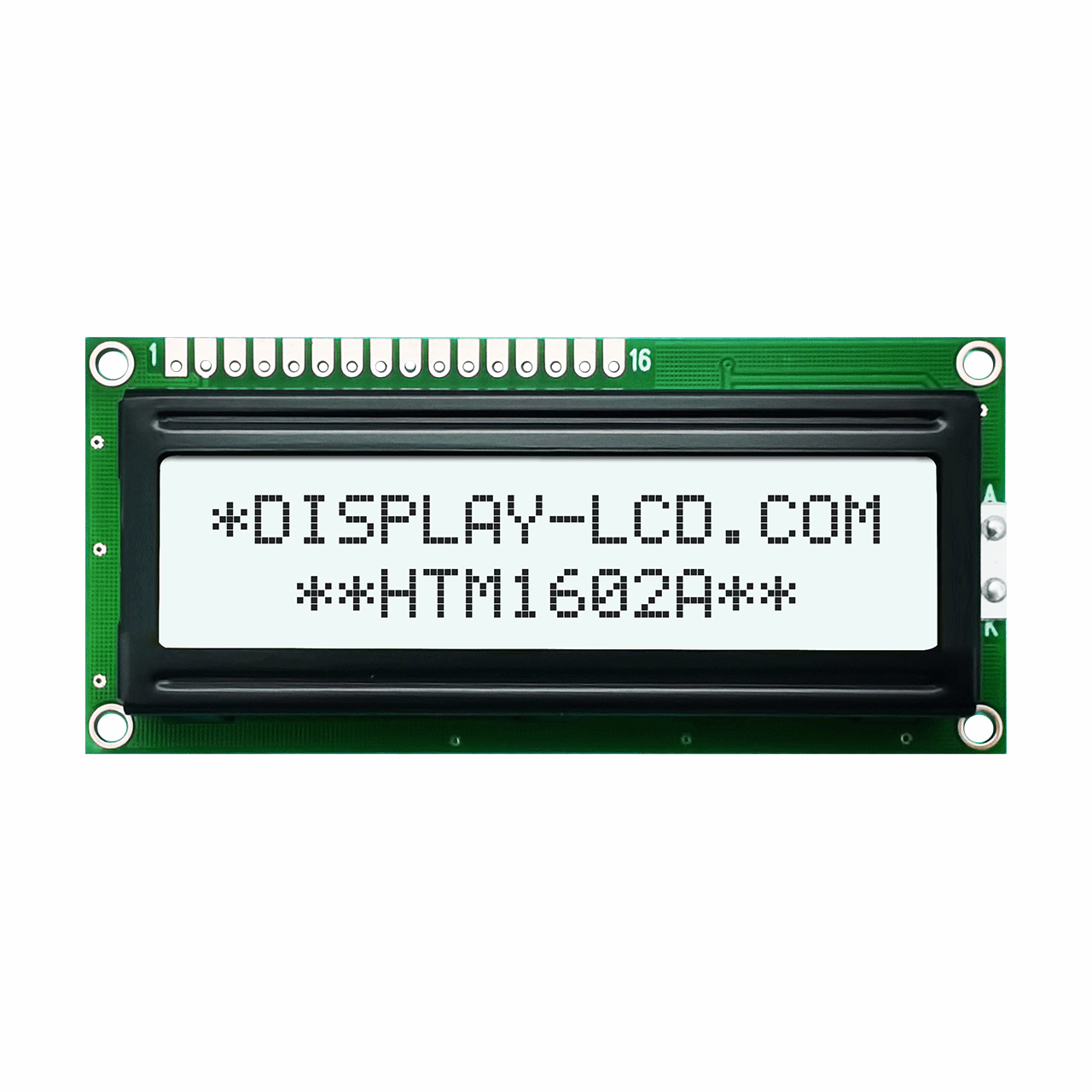
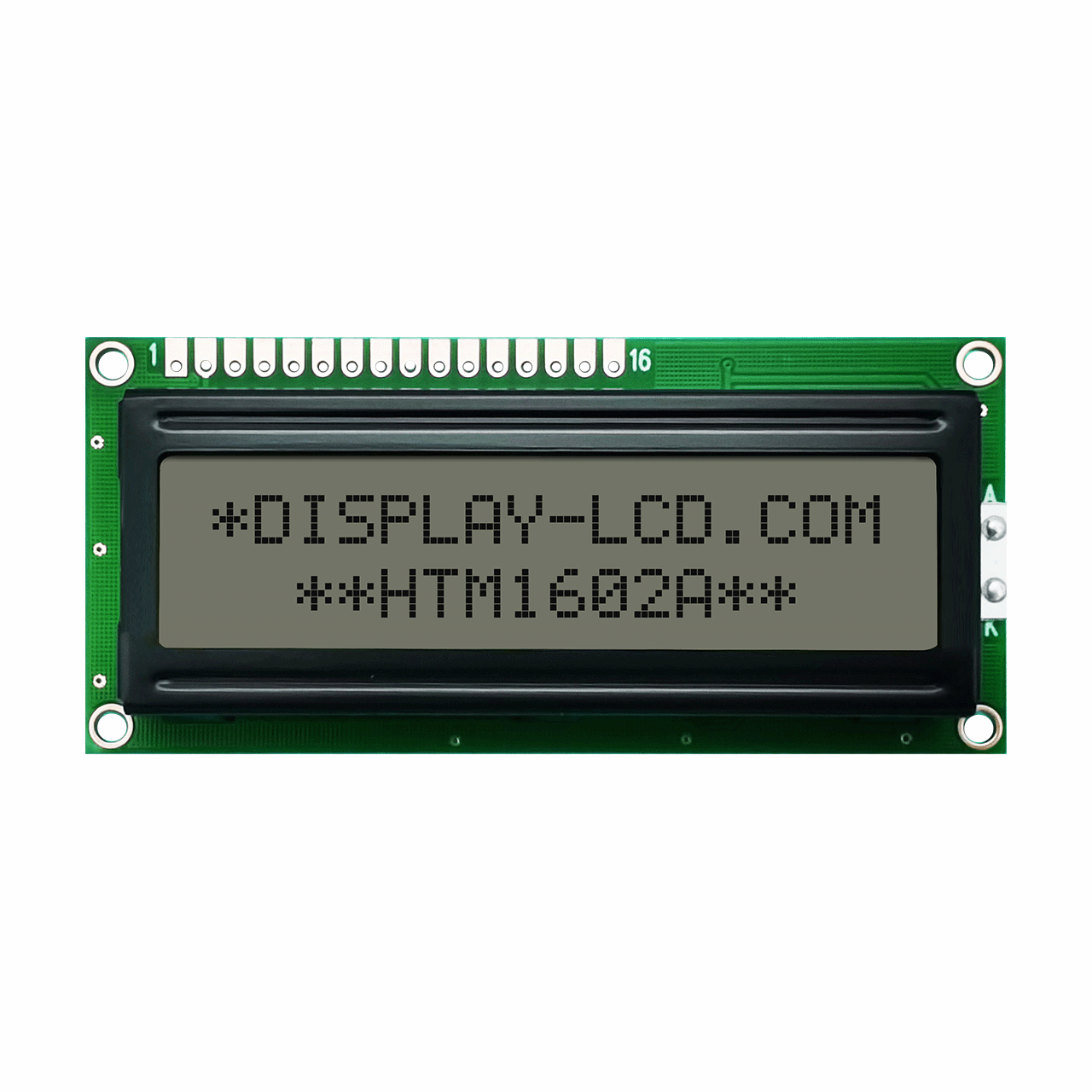
This I2C Character Dot-Matrix LCD Module is a compact, reliable, and easy-to-integrate display solution designed for industrial control and embedded applications. With a standard 16x2 character format, it delivers clear alphanumeric output across two lines, making it ideal for equipment panels, instrumentation, and monitoring systems that require dependable text-based information.
The 6 o'clock viewing angle ensures optimal readability when the display is mounted at a typical viewing position, while the yellow-green backlight provides strong contrast in both indoor and moderately lit industrial environments. The STN display technology further enhances visual performance, delivering consistent character definition without excessive power consumption.
As an I2C Character Dot-Matrix LCD Module, this unit simplifies wiring significantly. Instead of the traditional parallel interface requiring numerous control lines, the 4-pin I2C connection reduces cable complexity and frees up valuable I/O pins on your host microcontroller. This makes the module especially suitable for space-constrained designs and rapid prototyping platforms such as Arduino, STM32, and other embedded controllers.
Built around the ST7066U driver IC, the module maintains broad compatibility with standard HD44780 instruction sets, ensuring straightforward software development and reliable long-term operation. The integrated 8kV ESD protection adds an extra layer of durability, safeguarding the module against electrostatic discharge during handling, installation, and field use.
With a 5.0V supply voltage and an operating temperature range of -20 to 70°C, this I2C Character Dot-Matrix LCD Module performs consistently in demanding industrial settings. Whether you are designing a control panel, a measurement instrument, or an automated system interface, this 16x2 display offers a practical balance of readability, durability, and integration simplicity.
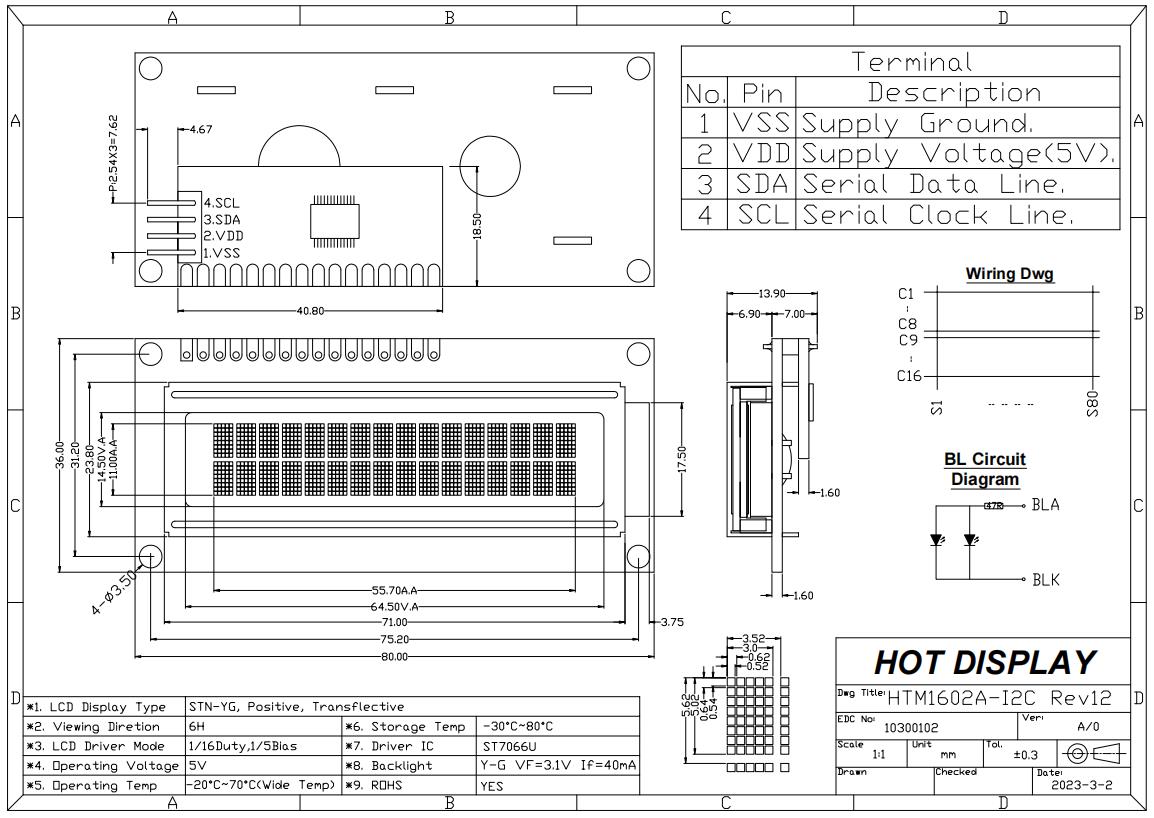
Specification of the 16x2 I2C Character Dot-Matrix LCD Module
Why the I2C Interface Sets This Display Apart
The most distinctive feature of this I2C Character Dot-Matrix LCD Module is its I2C interface. Traditional 16x2 character LCDs use a 16-pin parallel interface with eight data lines and multiple control lines such as RS, RW, and E. This module reduces the connection to just four pins: VCC, GND, SDA, and SCL—a difference with real consequences for hardware design and firmware development.
The I2C protocol needs only two signal lines, SDA for data and SCL for clock, to handle all communication and control. On this I2C Character Dot-Matrix LCD Module, the external pin count drops from more than a dozen to four, which shrinks the PCB footprint and frees GPIO resources. On platforms such as STM32, ESP32, or Arduino, the pins saved can be reassigned to sensors, actuators, or other peripherals, improving overall system integration flexibility.
For engineers, the I2C interface also lowers the development barrier. I2C is one of the most established serial protocols in embedded design, and mainstream microcontrollers include hardware I2C peripherals with well-documented driver libraries such as Arduino's Wire library. Developers do not need to write parallel-interface timing logic from scratch. In addition, I2C addressing allows multiple slave devices to share one bus, so this I2C Character Dot-Matrix LCD Module can coexist with EEPROMs, sensors, and real-time clocks without dedicating separate GPIO pins to each device—especially valuable in space-constrained designs.
The module pairs its I2C frontend with the ST7066U controller, which itself supports 4-bit and 8-bit parallel buses. An onboard I2C-to-parallel circuit, typically based on a GPIO expander such as the PCF8574, handles protocol conversion, so developers still program using the standard HD44780 instruction set. This "parallel backend, I2C frontend" architecture preserves the controller's mature ecosystem while eliminating the pin-hungry parallel interface.
Two practical points matter during integration. The module runs at 5.0V, while some low-power microcontrollers use a 3.3V I2C bus, so a level shifter on SDA and SCL is needed in mixed-voltage systems. Its -20°C to 70°C range and 8kV ESD protection provide a solid baseline for industrial use. I2C also runs at 100kHz or 400kHz, which is more than enough for a 16x2 display where each refresh involves only 16 bytes per line. For this I2C Character Dot-Matrix LCD Module, the trade-off is clear: modest speed in exchange for dramatic pin savings, while character display never demands high bandwidth.