 3.0-inch TFT LCD Smart Serial Display 268x800 Resolution with Capacitive Touchscreen Now Available!
 English
 简体中文
简体中文
 日本語
日本語 Deutsch
 한국어
한국어 Русский язык
 Español
 Français




What resolutions are available for 4:3 aspect ratio TFT LCD screens?
 2026-01-30
 2041
2041


2026-01-30
2041
Although widescreen displays have become the market mainstream, 4:3 aspect ratio screens (often referred to as "square screens" or "standard aspect ratio") still maintain an irreplaceable advantage in many professional and application scenarios. Their core value lies in their high degree of compatibility with specific content and workflows. Compared to widescreen displays, 4:3 screens offer more vertical display space, significantly reducing the need for vertical scrolling when browsing web pages, working with long documents, or writing code, allowing more lines of information to be displayed at once, thus improving reading and editing efficiency. This nearly square shape also better matches the natural proportions of many traditional media, such as A4 paper, standard letters, and early software interfaces, enabling full-screen display without black bars or stretching, resulting in a more compact and focused content layout.
What resolutions are available for 4:3 aspect ratio TFT LCDs? The following TFT LCD products can display multiple resolutions that conform to the 4:3 aspect ratio.
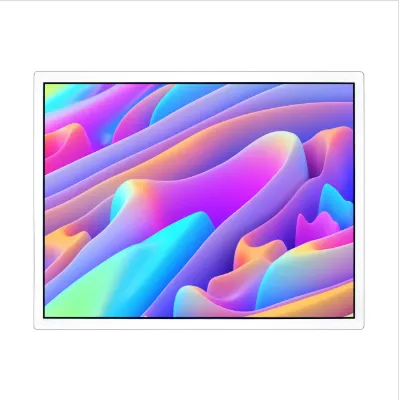 | 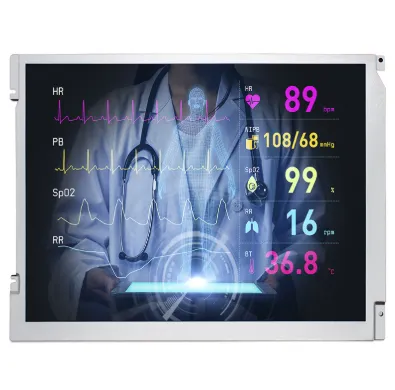 | 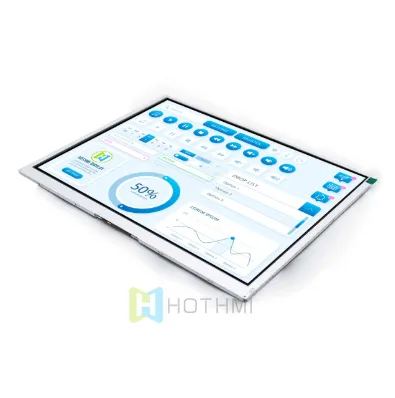 |
| TFT-H150GWX3 R0 15 inch TFT LCD Display | XGA 1024x768 resolution displays With LVDS Interface More> | TFT- H121E01SVTWZ4N20 12.1 Inch TFT LCD Display | 800x600 Resolution For Medical Devices More> | TFT-H097B01XGIJD5N40 9.7 inch TFT LCD | 1024x768 LVDS Interface More> |
 | 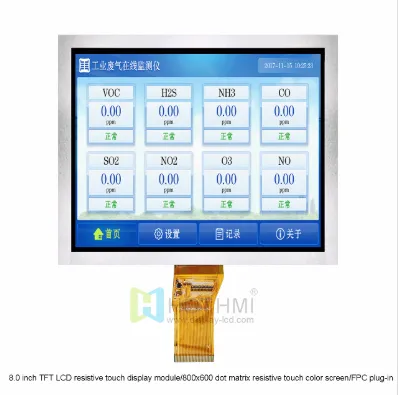 | 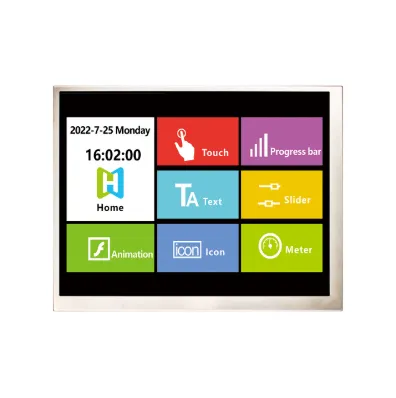 |
LCM-TFT080T61SVHDVNSDC 8.0 Inch XGA 1024x768 resolution displays TFT LCD Module For Raspberry Pi More> | TFT- H121E01SVTWZ4N20 8 Inch TFT LCD Display | 800x600 Resolution With RGB Interface More> | TFT-H057A02VGTHX9N30 5.7 Inch Sunlight Readable IPS TFT LCD Display - 640x480 Resolution With LVDS Interface More> |
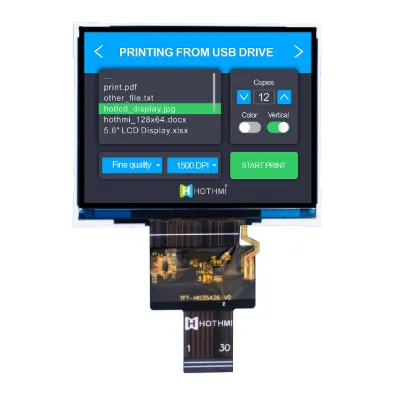 | 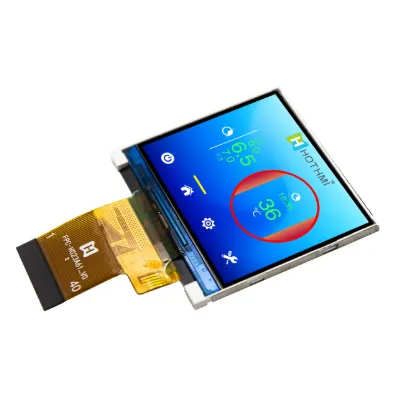 | 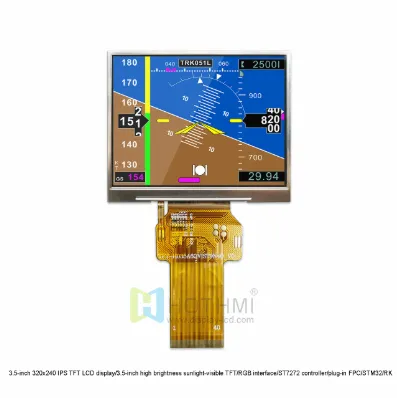 |
| TFT-H035A26 VGIST4N30 3.5 inch Industrial TFT LCD 640x480 IPS Display Panel with LVDS Interface More> | TFT-H023A61LQTIL2N40 2.3 Inch TFT LCD display | 320x240 MCU Interface More> | TFT-H035A6QVIST9N40 3.5" TFT LCD Display - High Brightness With 320x240 Resolution More> |
In the modern display technology field, although widescreen has become mainstream, 4:3 aspect ratio TFT LCDs maintain a solid position in many professional and traditional scenarios due to their unique advantages. These square screens play an irreplaceable role in industrial control and professional equipment, such as machine tool control panels, medical monitors, and laboratory analytical equipment. Their display ratio allows for more efficient display of traditional instrument layouts, data lists, and waveforms, making 4:3 aspect ratio TFT LCDs an ideal choice for matching older professional software interface designs.
In vertical industries such as finance and retail, many ATMs, POS systems, and legacy database terminals still use 4:3 aspect ratio TFT LCDs. This is compatible with software interfaces not adapted for widescreen and conforms to long-established operating habits. Simultaneously, in the embedded and special equipment market, such as engineering machinery control consoles, military display terminals, and elevator control panels, the physical installation space and signal standards often match this classic aspect ratio.
Furthermore, in multi-screen splicing displays in security monitoring centers, or on display devices for retro games and emulators, 4:3 aspect ratio TFT LCDs can provide a native, unstretched viewing experience. Although consumer electronics have shifted towards wider aspect ratios, due to hardware compatibility, software modification costs, and specific vertical information display requirements, 4:3 aspect ratio TFT LCDs are expected to remain a staple in the aforementioned B2B sectors for a long time, continuing to serve key scenarios that prioritize functional practicality and system continuity.
In the modern display technology field, although widescreen has become mainstream, 4:3 aspect ratio TFT LCDs maintain a solid position in many professional and traditional scenarios due to their unique advantages. These square screens play an irreplaceable role in industrial control and professional equipment, such as machine tool control panels, medical monitors, and laboratory analytical equipment. Their display ratio allows for more efficient display of traditional instrument layouts, data lists, and waveforms, making 4:3 aspect ratio TFT LCDs an ideal choice for matching older professional software interface designs.
In vertical industries such as finance and retail, many ATMs, POS systems, and legacy database terminals still use 4:3 aspect ratio TFT LCDs. This is compatible with software interfaces not adapted for widescreen and conforms to long-established operating habits. Simultaneously, in the embedded and special equipment market, such as engineering machinery control consoles, military display terminals, and elevator control panels, the physical installation space and signal standards often match this classic aspect ratio.
Furthermore, in multi-screen splicing displays in security monitoring centers, or on display devices for retro games and emulators, 4:3 aspect ratio TFT LCDs can provide a native, unstretched viewing experience. Although consumer electronics have shifted towards wider aspect ratios, due to hardware compatibility, software modification costs, and specific vertical information display requirements, 4:3 aspect ratio TFT LCDs are expected to remain a staple in the aforementioned B2B sectors for a long time, continuing to serve key scenarios that prioritize functional practicality and system continuity.



China Custom Industrial TFT LCD Display Manufacturer & Global LCD Supplier
Address:Building N3, Tian'an Digital Industry Park, Fenggang Town, Dongguan City, Guangdong Province, China