2.0-inch Smart TFT LCD Display Module 320x240 UART interface Now Available!
 English
 简体中文
简体中文
 日本語
日本語 Deutsch
 한국어
한국어 Русский язык
 Español
 Français


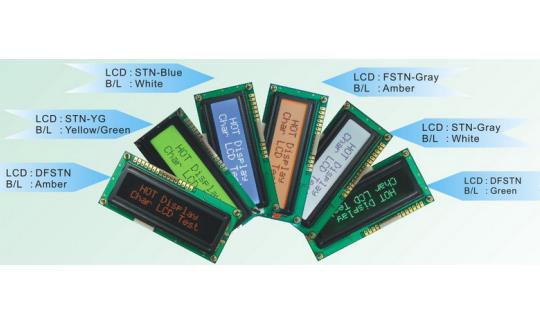
In the field of display technology, cost has always been the key factor determining large-scale application. STN LCDs, due to their relatively simple structure, do not require the expensive thin-film transistor arrays of TFT LCDs, nor do they require the complex organic light-emitting materials and precision packaging processes of OLEDs. This cost advantage, from materials to manufacturing processes, makes STN LCDs highly competitive in price.

At the beginning of spring, we frame the first light of the year with an LCD Display—where clarity meets renewal.
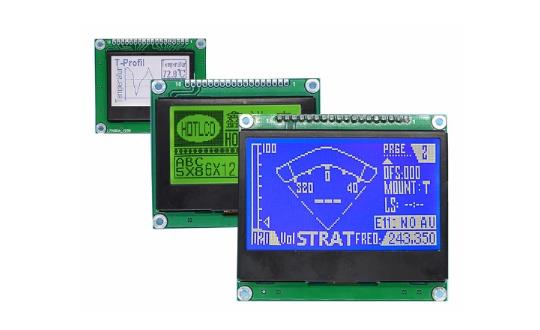
An LCD display module is a fully integrated vision system that combines a liquid crystal panel, driving circuitry, and standardized interfaces into a single functional unit. This plug-and-play design simplifies the integration process, allowing engineers to integrate complete LCD display solutions without developing complex driving electronics. Our portfolio includes character and graphic LCD displays, offering both traditional modular configurations and space-saving COG (Chip-on-Glass) architectures. Each LCD display can be customized with a variety of backlight options, including monochrome yellow/green, blue, white, red, and full RGB backlighting, to meet specific visual and environmental requirements.
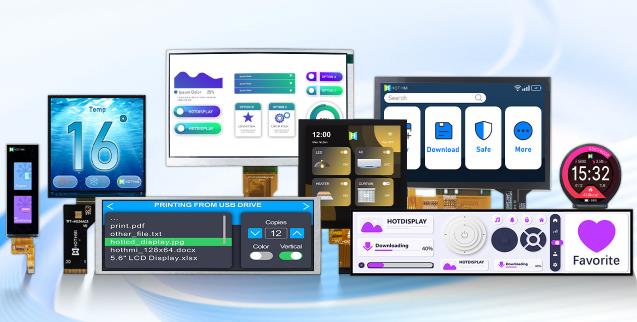
This article provides a comprehensive overview of the principles, evolution, and future of TFT LCD technology. TFT LCDs achieve high-quality image display by precisely controlling each pixel with an independent thin-film transistor, combined with the optical properties of liquid crystals and a multi-layered structure, making them the mainstream display technology in consumer electronics for over two decades.
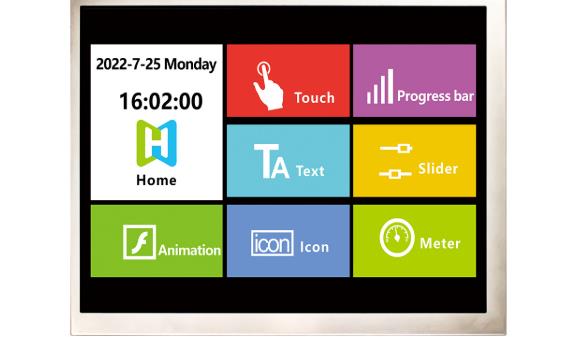
Although widescreen displays have become the market mainstream, 4:3 aspect ratio screens (often referred to as "square screens" or "standard aspect ratio") still maintain an irreplaceable advantage in many professional and application scenarios. Their core value lies in their high degree of compatibility with specific content and workflows. Compared to widescreen displays, 4:3 screens offer more vertical display space, significantly reducing the need for vertical scrolling when browsing web pages, working with long documents, or writing code, allowing more lines of information to be displayed at once, thus improving reading and editing efficiency. This nearly square shape also better matches the natural proportions of many traditional media, such as A4 paper, standard letters, and early software interfaces, enabling full-screen display without black bars or stretching, resulting in a more compact and focused content layout.
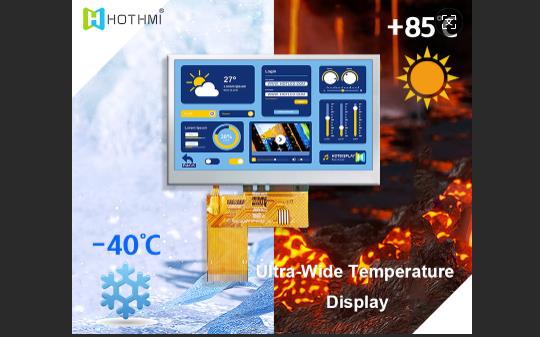
Ultra Wide temperature TFT LCD Display is typically used in demanding environments such as industrial, military, outdoor, and aerospace applications. Standard displays typically operate between 0°C and 50°C, while ultra-wide temperature range displays can withstand extreme temperatures from -20°C to +70°C or even wider range from -40°C to +90°C .

China Custom Industrial TFT LCD Display Manufacturer & Global LCD Supplier
Address:Building N3, Tian'an Digital Industry Park, Fenggang Town, Dongguan City, Guangdong Province, China