4.2-Inch TFT LCD Display Module1280x960 MIPI DSI Interface High Brightness Screen With GH7005 Now Available!
 English
 简体中文
简体中文
 日本語
日本語 Deutsch
 한국어
한국어 Русский язык
 Español
 Français


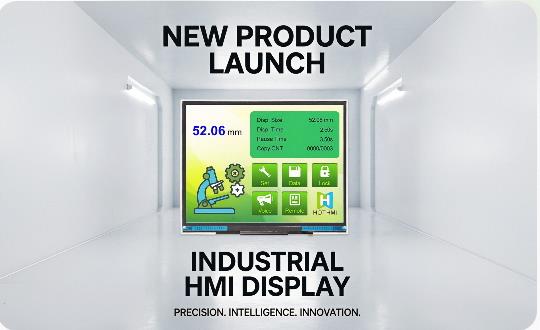
This 4.2-inch TFT LCD delivers a sharp 1280×960 resolution and a classic 4:3 aspect ratio, making it an ideal choice for industrial applications that demand clarity and reliability. The compact 4.2-inch size offers a practical balance between display area and system integration, while the high pixel density ensures detailed imaging for equipment interfaces, medical devices, or handheld terminals.
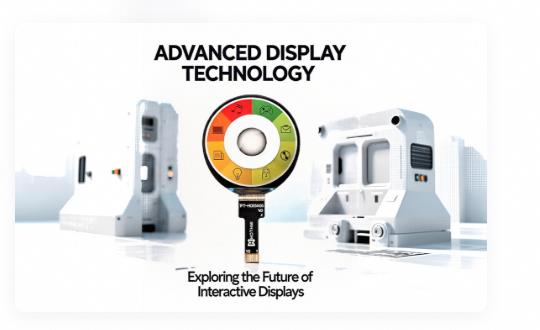
HOTDISPLAY's TFT-H070A27 7-inch circular TFT LCD screen breaks the aesthetic fatigue of rectangular screens, and brings a comprehensive value upgrade to terminal products with its hardcore industrial-grade performance and mature supporting components.
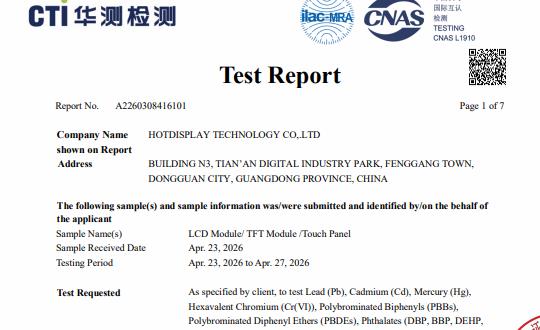
Hotdisplay Technology Co., Ltd. officially announced today that its series of LCD modules, TFT modules, and touchscreens have successfully passed comprehensive hazardous substance testing conducted by the internationally renowned testing and certification body, China Testing & Inspection Institute Group Co., Ltd. (CTI), in accordance with the EU RoHS Directive.
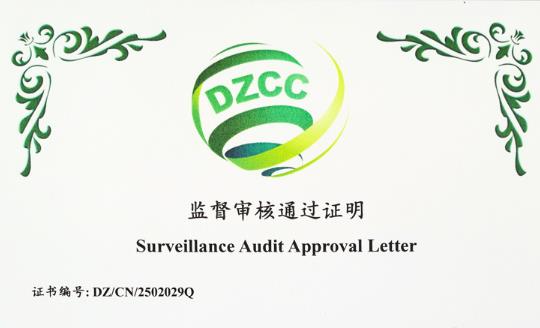
For Hotdisplay Technology Co., Ltd., the year 2026 marks a truly memorable milestone. We are pleased to announce that Xinhongtai Technology (Guangdong) Co., Ltd. has successfully completed its annual surveillance audit for the GB/T19001-2016/ISO9001:2015 Quality Management System. The audit confirmed the continued effective operation of the company's management system, thereby affirming our eligibility to maintain our certification registration status; the certificate remains valid, with its validity period extended until March 20, 2027.
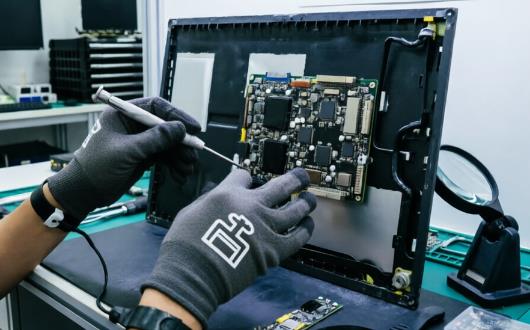
In this article, we will explore a variety of LCD display failure modes, their root causes, and practical solutions. We will also introduce two ingenious low cost diagnostic methods using a pointer type multimeter or even just a piece of wire and a desk lamp. Whether you are a hobbyist, a technician, or an engineer, this guide will help you quickly identify and resolve LCD display issues.
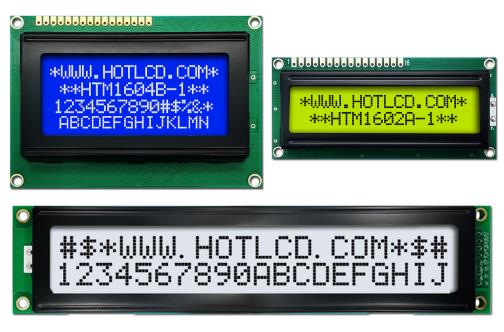
This article introduces the features, structure, advantages, and customization solutions of character LCD displays, emphasizing their low power consumption, high integration, easy programmability, and wide range of application scenarios.

China LCD TFT Display Manufacturer, Global Supplier
Address:Building N3, Tian'an Digital Industry Park, Fenggang Town, Dongguan City, Guangdong Province, China