2.0-inch Smart TFT LCD Display Module 320x240 UART interface Now Available!
 English
 简体中文
简体中文
 日本語
日本語 Deutsch
 한국어
한국어 Русский язык
 Español
 Français


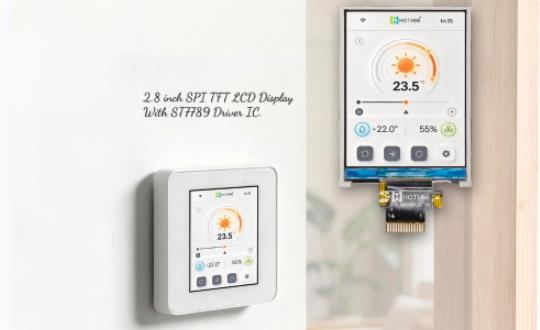
This 2.8-inch SPI TFT LCD display module is a small-sized color display module. It is equipped with an ST7789 dedicated driver chip and adopts a four-wire SPI serial communication architecture. It integrates multiple core designs such as industrial-grade wide temperature range, 8kV electrostatic protection, high brightness visibility, ultra-thin and compact structure, and reinforced FPC cabling. It takes into account ease of development, environmental tolerance, and long-term operational stability. It is a high-performance display solution for lightweight and small systems when resources are limited!
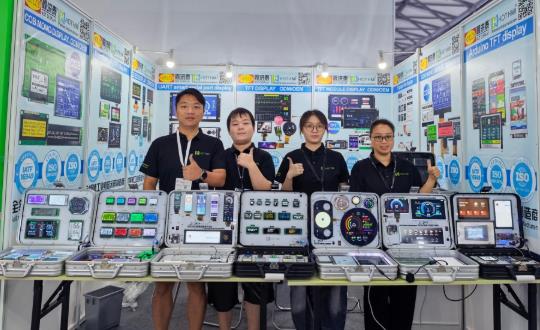
The 2026 Munich Shanghai Electronics Show has concluded successfully. As a professional provider of TFT LCD display solutions, HOTDISPLAY showcased a wide range of high-performance display products at this industry event. The company engaged in in-depth discussions with global customers, partners, and industry professionals, jointly exploring development trends in display technology across sectors such as intelligent manufacturing, industrial control, human-machine interaction, and smart devices.
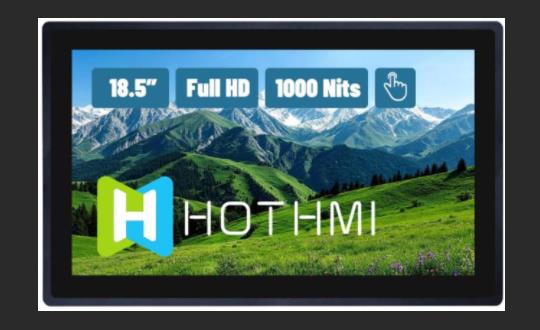
Engineered for harsh environments, this 18.5-inch industrial touch monitor features an advanced AG (Anti-Glare) and AR (Anti-Reflective) coating, ensuring clear visibility under direct sunlight. With a wide operating temperature range of -30°C to 80°C, it delivers stable performance in extreme cold or heat, making it the ideal HMI solution for outdoor kiosks, factory automation, and heavy machinery control. Supports FHD 1920x1080 resolution and multiple video inputs.
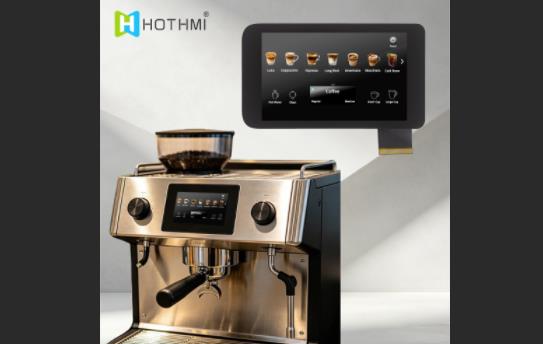
The TFT-H043B32WVIST3C45 4.3-inch capacitive touchscreen TFT LCD display, meticulously crafted by HOTDISPLAY, boasts high resolution, industrial-grade reliability, and a sophisticated integrated design. It is perfectly suited for precision applications such as instruments and portable electronic devices that have stringent requirements for both performance and appearance, providing an ideal display solution for various smart terminals that combines visual quality with smooth touch control.
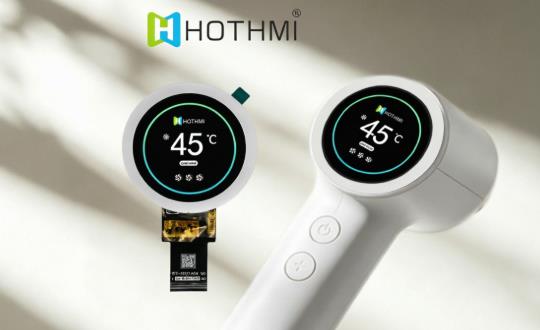
Hotdisplay's TFT-H021A04ZUIAX5G40 is a 2.1-inch circular In-Cell integrated TFT LCD display module targeting the smart terminal, smart home, automotive instrument, and DIY digital markets. The product deeply integrates In-Cell embedded touch technology, IPS full-view display technology, and a modern circular design, combining a slim body, high-definition image quality, precise touch control, and industrial-grade reliability. It is currently the preferred high-end solution for small to medium-sized circular interactive displays.

HOTDISPLAY Technology Co., Ltd., a leading company in the industrial display module field, has confirmed its participation with booth number N2.168, where it will showcase its latest technological achievements and solutions.

China Custom Industrial TFT LCD Display Manufacturer & Global LCD Supplier
Address:Building N3, Tian'an Digital Industry Park, Fenggang Town, Dongguan City, Guangdong Province, China