China Custom Industrial TFT LCD Display Manufacturer & Global LCD Supplier
 5.0-inch Ultra-high brightness Display 800x480 TFT LCD For Outdoor Instrument Now Available!
 English
 简体中文
简体中文
 日本語
日本語 Deutsch
 한국어
한국어 Русский язык
 Español
 Français


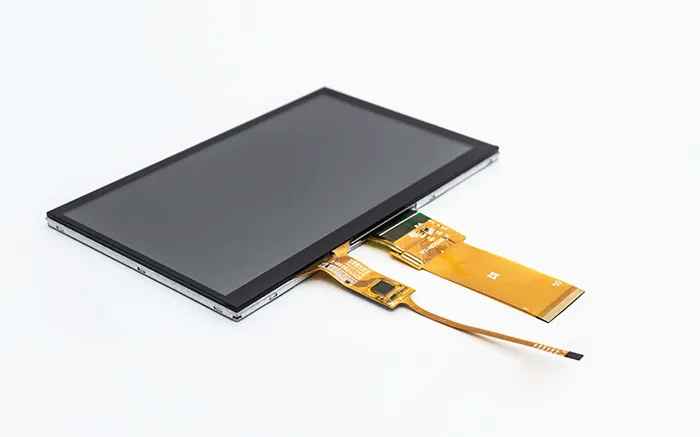
In recent years, as the application scope of touch screens has gradually expanded, mobile phones, cameras and portable audio and video players have all launched products equipped with touch screens. As people are exposed to more and more touch screen products, touch screen products have been recognized by more and more people in the past two years, and the development speed has gradually accelerated.
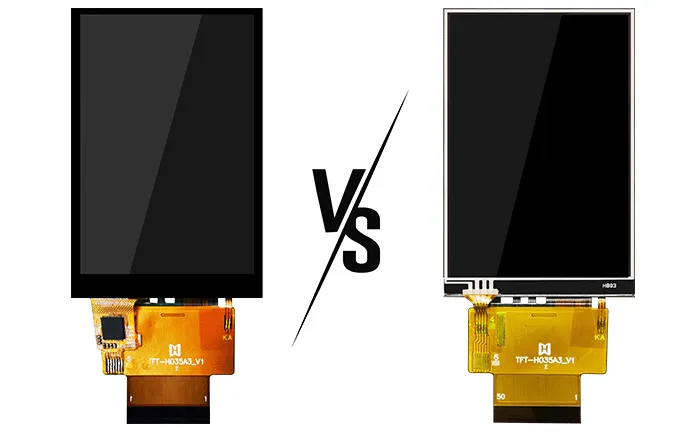
There are many touch panel technologies on the market, the most common ones are resistive touch screens and capacitive touch screens. These two touch screens have their own characteristics. When users choose which touch screen to use, there are many factors to consider. So how should they make the right choice?
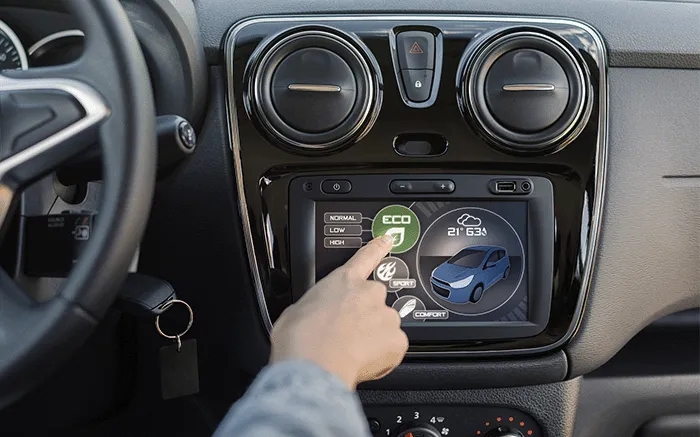
For product design engineers and manufacturers, customized touch display solutions are the best solution to meet their unique application needs. Choosing us as your capacitive touch display manufacturer means you will receive full support and assistance from our experienced and professional engineering team in our factory.
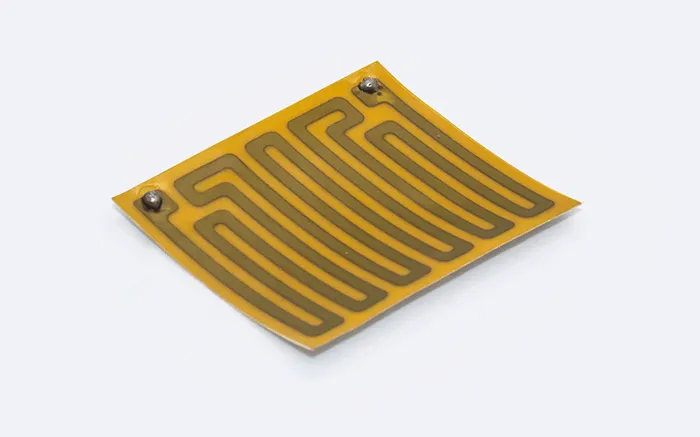
Custom LCD heaters are devices designed specifically to heat liquid crystal displays (LCDs) in low-temperature environments. The purpose is to ensure that the LCD can still work properly in cold conditions and prevent problems such as slow response and screen freezing caused by low temperatures.
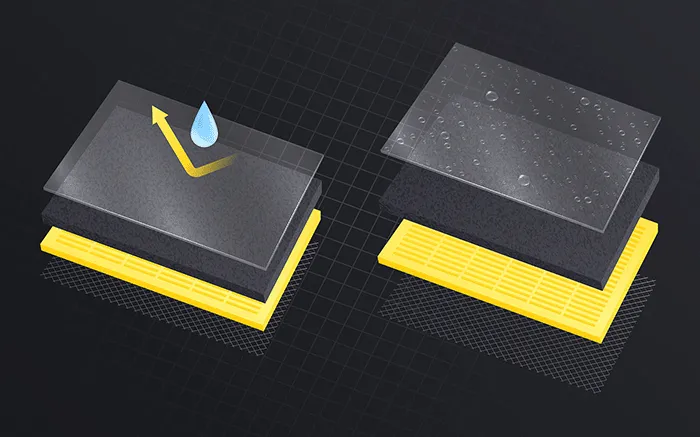
Since there are various sophisticated electronic components in the display screen, most of these electronic components are easily corroded by water and cause malfunction. Therefore, no matter where the application scenario is, the waterproof function of the display screen is something that every user will pay attention to.
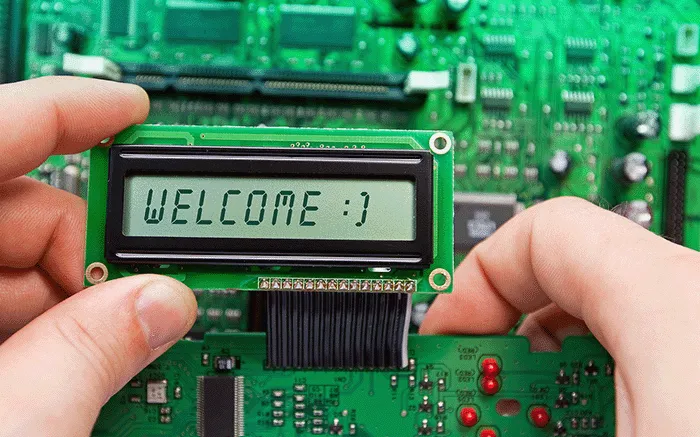
Graphic LCD Displays usually refer to monochrome graphic LCD displays or dot matrix LCD displays. Although color TFT (Thin Film Transistor) and OLED (Organic Light Emitting Diode) displays meet all the definitions of graphic LCD displays and can also be classified as graphic LCD displays, monochrome graphic LCD displays appeared on the market earlier than color TFT displays and they became the traditional type of display. This is why graphic LCD displays refer only to monochrome and not full color.
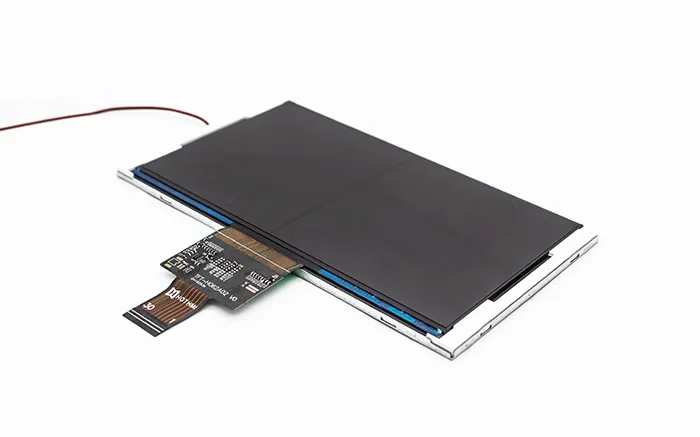
Hot Display has 21 years of experience in display manufacturing and always keeps pace with the times. When there is market demand, we will keep up with the mainstream. After extensive research by Hot Display's senior technical engineering team, we decided to develop and launch a 6.2-inch golden size series display.
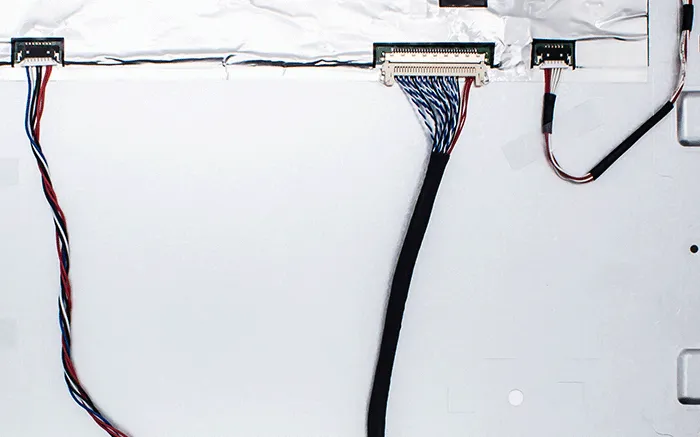
eDP and LVDS are both commonly used video signal connectors for connecting display screens or monitors in industrial computers. Both have their own advantages and disadvantages, and customers can selectively use them according to actual needs.
Digital Visual Interface (DVI) is a video interface standard designed to transmit uncompressed digital images. It is currently widely used in display devices such as LCDs and digital projectors. The DVI interface can send uncompressed digital video data to display devices.

China Custom Industrial TFT LCD Display Manufacturer & Global LCD Supplier
Address:Building N3, Tian'an Digital Industry Park, Fenggang Town, Dongguan City, Guangdong Province, China